







Now Reading: The Meaning Behind the Tradition of Coins on Gravestones
-
01
The Meaning Behind the Tradition of Coins on Gravestones

The Meaning Behind the Tradition of Coins on Gravestones
A Quiet Gesture That Speaks Volumes
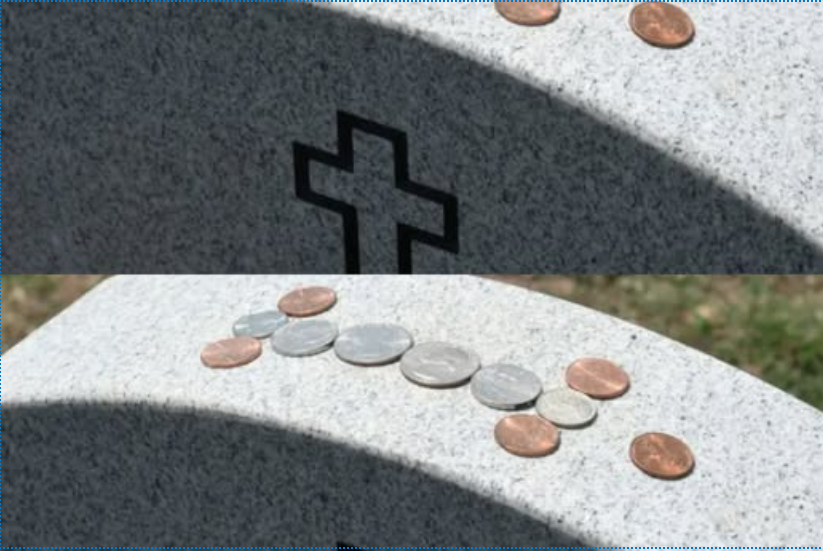
If you’ve ever seen coins on a gravestone—pennies, nickels, dimes, even quarters—you might wonder what they mean. These small tokens carry a powerful message of remembrance, especially on veterans’ graves.
Where the Tradition Began
The practice became common during the Vietnam War, when leaving a coin was a silent way to honor the fallen without political debate. Its roots go back further, tied to ancient customs of leaving offerings for the dead.
What Each Coin Means:
Penny: You visited.
Nickel: You trained with the deceased.
Dime: You served together.
Quarter: You were there when they died.
Each coin says without words: You are not forgotten.
Beyond the Military
Today, you may find coins on graves of teachers, first responders, or anyone whose life left an impact. It’s a quiet conversation, a way of saying their life mattered.
What Happens to the Coins
In many cemeteries, coins are collected and used for upkeep or donated to veterans’ charities—always treated with care.
A Small Act, A Lasting Message
In a world that forgets too quickly, leaving a coin is a pause. A promise of remembrance. The next time you see one, know someone cared enough to stop and honor that life.