













Now Reading: Faith and Family: The Unshakable Foundation of American Life
-
01
Faith and Family: The Unshakable Foundation of American Life

Faith and Family: The Unshakable Foundation of American Life
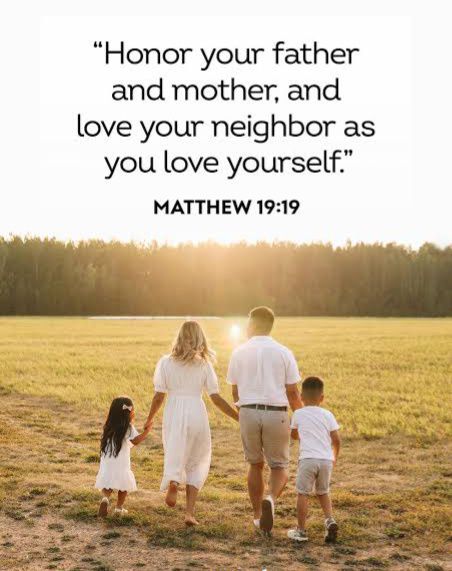
In an ever-changing world, two cornerstones continue to anchor the lives of many Americans: family and faith. Together, they form the foundation upon which values, traditions, and resilience are built.
From the moment a child enters the world, family is often the first classroom. Parents, grandparents, and close relatives introduce the basics of love, care, and empathy. They teach the importance of selflessness, forgiveness, and wisdom—qualities that not only guide children into adulthood but also equip them to nurture families of their own.
Sociologists note that strong family ties are linked to longer, healthier lives, while faith communities provide additional layers of support and belonging. “Family teaches us who we are,” said one family counselor in Ohio. “But faith teaches us who we are meant to become.”
For centuries, Americans have turned to the Bible for guidance on sustaining and strengthening relationships. Faith leaders describe Scripture as a timeless manual for households, offering lessons that apply at every stage of life—whether during childhood, the challenges of parenting, or the reflections of old age.
Some of the most enduring verses on family continue to inspire across generations:
- “Honor your father and mother, and love your neighbor as you love yourself.” — Matthew 19:19
- “Train children in the way they should go; when they grow old, they won’t depart from it.” — Proverbs 22:6
- “Now faith, hope, and love remain — these three things — and the greatest of these is love.” — 1 Corinthians 13:13
- “We love because God first loved us.” — 1 John 4:19
- “She gets up while it is still night, providing food for her household… She works energetically; her arms are powerful.” — Proverbs 31:15-17
These verses do more than sit on the pages of a sacred book—they are often lived out in daily acts of care. The wisdom of Proverbs 22:6, for instance, echoes in the voices of grandparents reading bedtime stories or parents offering prayers before dinner. Matthew 19:19 reminds families to extend love beyond their own walls, treating neighbors and friends as extended kin.
Religious scholars say these teachings highlight a simple truth: family is not limited to bloodlines. Bonds can be built through kindness, hospitality, and compassion. In a time when many households look different from those of previous generations, the reminder that love defines family is especially powerful.
Across America, church groups, Bible study circles, and community organizations continue to revisit these passages, drawing lessons that strengthen both homes and neighborhoods. For older adults, these scriptures often take on renewed meaning, encouraging them to pass down not just traditions, but also faith and hope, to children and grandchildren.
As one pastor recently observed, “The Bible doesn’t just tell us how to build a family—it teaches us how to keep one together.” In a fast-paced world, that enduring wisdom may be more relevant than ever.