












Now Reading: Russia Considers Cutting Power to Boost Birth Rate
-
01
Russia Considers Cutting Power to Boost Birth Rate

Russia Considers Cutting Power to Boost Birth Rate
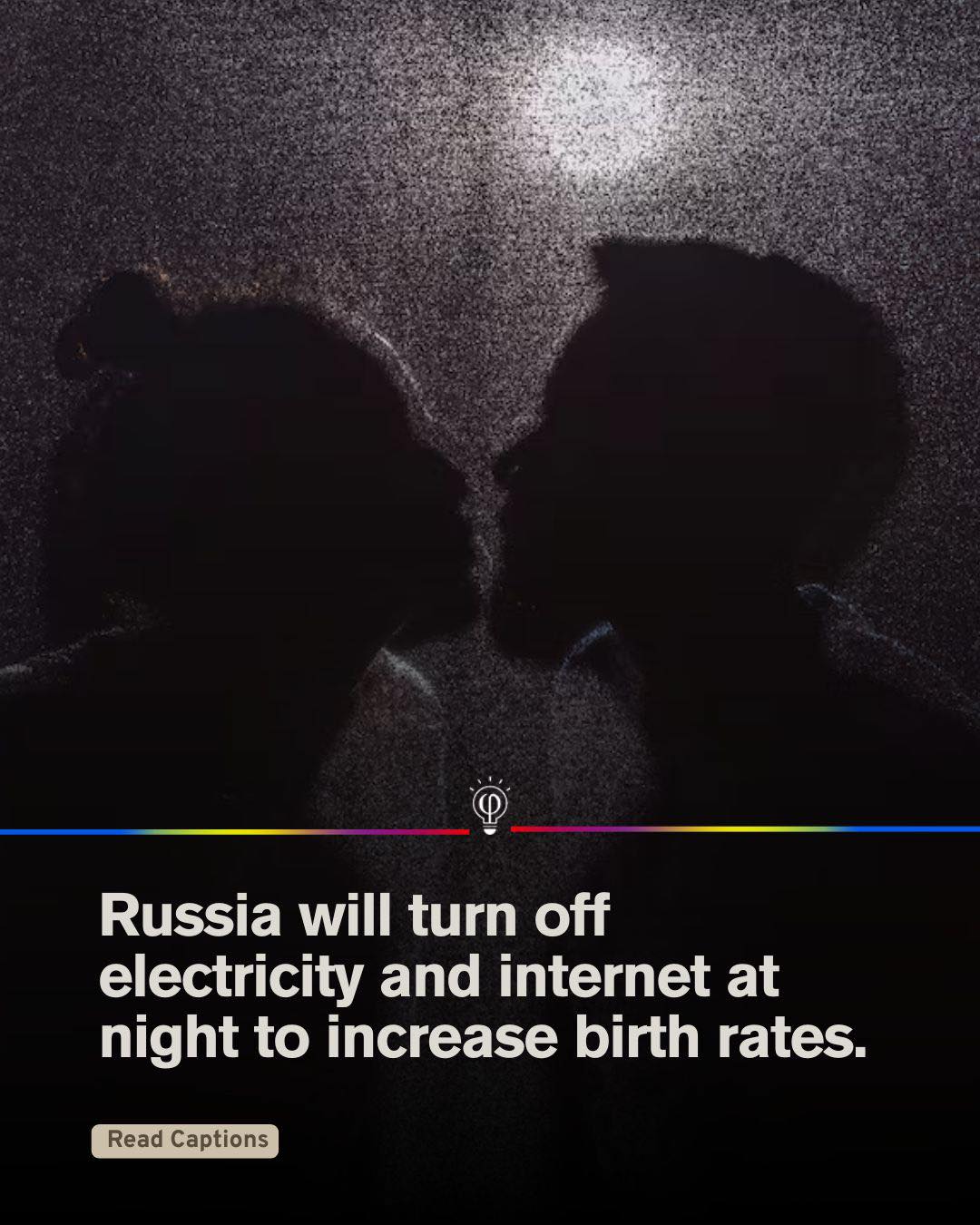
Russia is grappling with a severe and persistent population decline, leading officials to consider an unconventional and widely debated plan: cutting electricity and internet access after 10 PM. This unusual proposal is based on the hope that reducing nighttime screen use will encourage couples to spend more time together, thereby potentially boosting the nation’s flagging birth rates.
This radical idea comes in the wake of failed financial incentives, which have historically done little to reverse the worrying demographic trend. The government is seeking a creative solution to a complex national crisis. Some regional leaders have voiced support for the concept, viewing it as a straightforward way to promote “offline bonding” and refocus public attention on family life and traditional values.
However, the proposal has triggered significant public debate and skepticism. Experts and critics argue forcefully that such a measure is unlikely to yield meaningful results. They maintain that the demographic crisis requires far deeper, structural solutions, including extensive economic and social reforms that address issues like employment stability, healthcare quality, and childcare support.
While supporters champion the plan as a creative first step toward addressing a serious national challenge, critics doubt its effectiveness, suggesting it may only result in widespread public inconvenience. The debate highlights the extreme lengths to which Russia may be willing to go to combat its ongoing population challenges.