













Now Reading: Sacred Law Broken: Sparta’s Quest for Atonement Following Diplomatic Murder
-
01
Sacred Law Broken: Sparta’s Quest for Atonement Following Diplomatic Murder

Sacred Law Broken: Sparta’s Quest for Atonement Following Diplomatic Murder
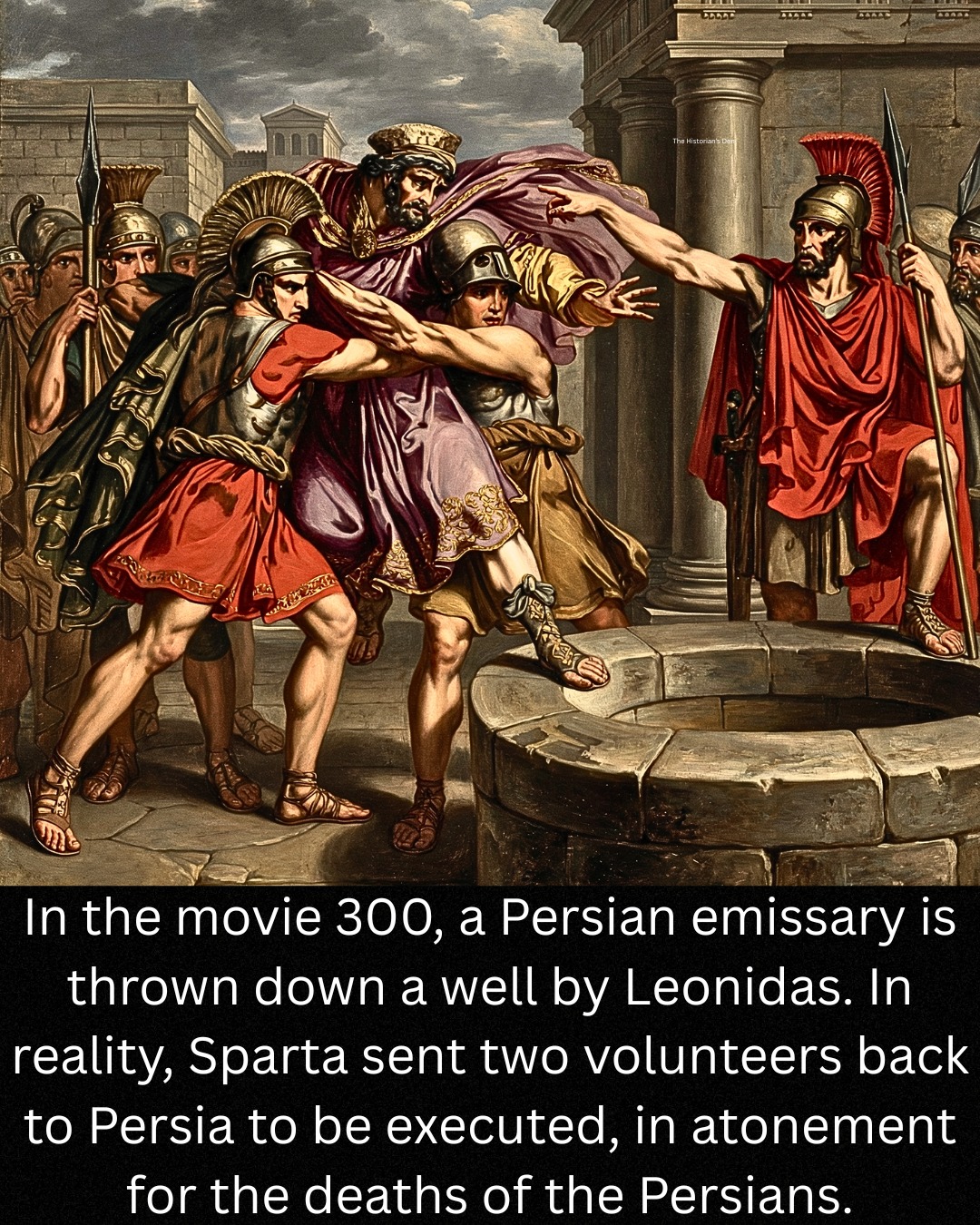
In an unprecedented breach of international custom, the city-states of Sparta and Athens have sparked a diplomatic crisis with the Persian Empire that has left the Hellenic world reeling. The conflict centers on the recent execution of Persian envoys, an act that has forced even the hardened military leaders of Sparta to seek divine and political absolution.
Around 491 BC, Persian heralds arrived in Greece demanding “earth and water”—traditional symbols of submission to King Darius. While many cities complied, Athens and Sparta responded with shocking violence. In Athens, the heralds were thrown into a pit; in Sparta, they were cast into a deep well. The Spartans reportedly told the drowning messengers to “dig out earth and water for themselves.”
The killings have sent shockwaves through the Mediterranean. In the ancient world, heralds are considered sacrosanct, protected by the gods. By murdering these messengers, Sparta has not only defied an empire but has also committed a grave religious offense.
The Noble Sacrifice
Recognizing that “divine wrath” might follow such a transgression, the Spartans have taken dramatic steps to make amends. Two noble citizens, Sperthias and Bulis, recently volunteered for a “suicide mission” to Susa. Their goal: to offer their own lives to the Persian King as atonement for the murdered envoys.
However, in a surprising turn of events, the Persian court refused to execute them. Persian officials reportedly stated they would not “imitate the Spartans’ impiety” by killing messengers, even those offering themselves as sacrifices.
A Legacy of Honor
While modern legends—and future dramatizations—often conflate these events with the recent tensions at Thermopylae, historians note that this diplomatic crisis occurred a full decade prior to the current military buildup. The episode serves as a stark reminder that even for a society as brutal as Sparta, the laws of honor and religious custom carry a weight equal to that of the shield and spear.