













Now Reading: The Great Odyssey: A Humpback’s Record-Breaking Journey
-
01
The Great Odyssey: A Humpback’s Record-Breaking Journey

The Great Odyssey: A Humpback’s Record-Breaking Journey
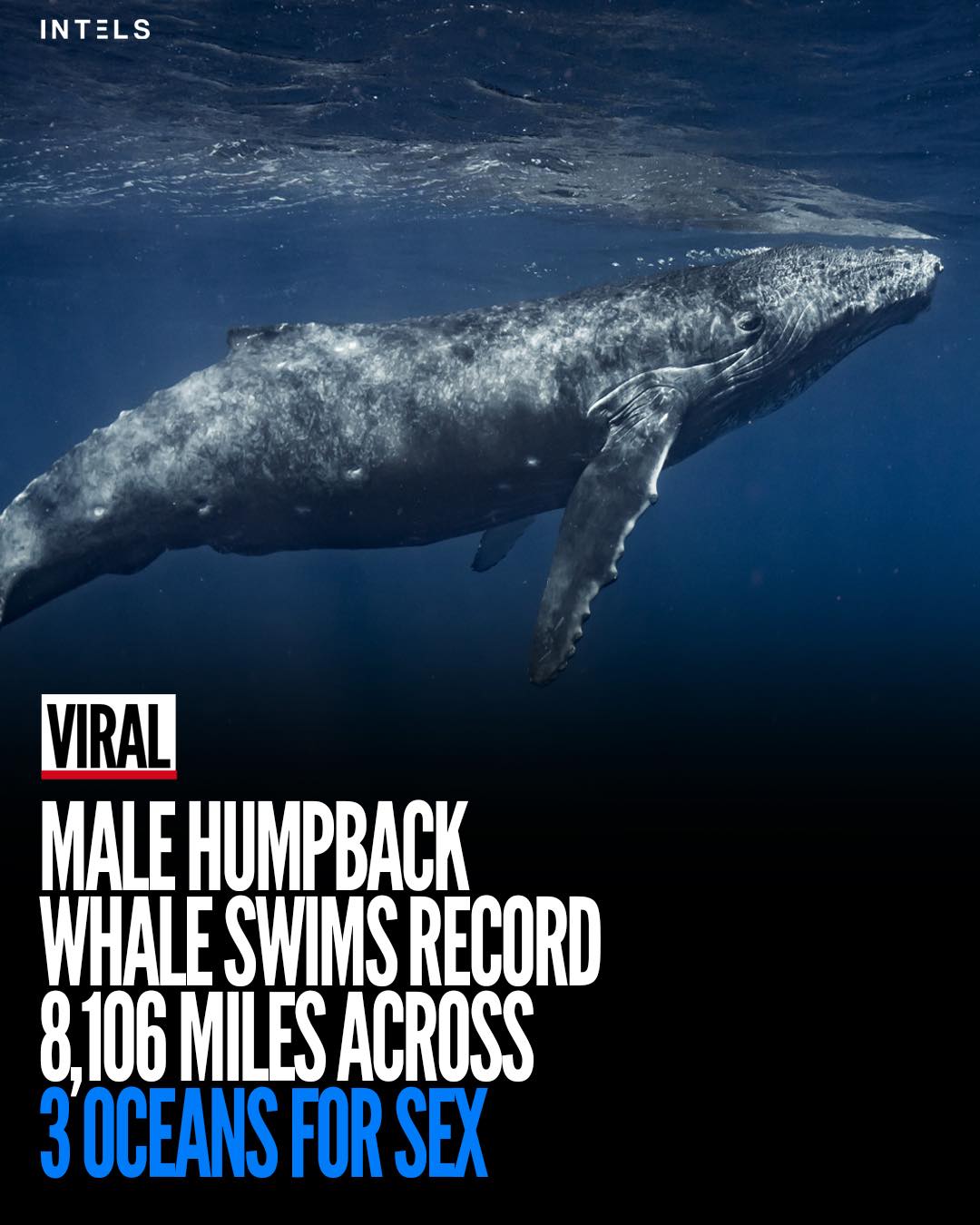
In a stunning display of endurance that has redefined our understanding of marine life, a single male humpback whale has claimed the title for the longest recorded migration ever documented. Covering a staggering 8,106 miles, this majestic traveler crossed three different oceans, journeying from the tropical waters of Colombia to the breeding grounds of Madagascar.
Typically, humpback whales follow predictable seasonal routes between cold feeding grounds and warm breeding waters.1 However, this specific individual shattered those expectations. By tracking the whale across such a vast expanse, scientists have gained a rare glimpse into the extraordinary lengths—quite literally—that these creatures will go to in order to ensure the survival of their species.
The Drive for Connection
What fuels such an exhausting trek? Researchers believe the primary driver was the search for mating opportunities. Male humpbacks are known for their wandering spirits, often traveling extreme distances to find females. This record-breaking migration suggests that these animals possess a level of navigational precision and physical stamina that far exceeds previous scientific estimates.
A Global Warning and Wonder
Beyond the sheer feat of athleticism, this journey offers vital insights for marine biologists. It highlights the profound interconnectedness of our global ocean ecosystems. If whales are crossing entire hemispheres to find mates, it suggests that population pressures or shifts in climate may be influencing their behavior on a global scale.
As ocean temperatures change and habitats shift, the resilience of the humpback whale remains a beacon of hope. This 8,000-mile odyssey is a powerful reminder that the ocean is not a collection of separate basins, but a single, massive highway where life is constantly on the move, driven by the timeless instincts of love and survival.