








Now Reading: Uncovering the Lies: The Final Hours of Little Maleah Davis
-
01
Uncovering the Lies: The Final Hours of Little Maleah Davis

Uncovering the Lies: The Final Hours of Little Maleah Davis
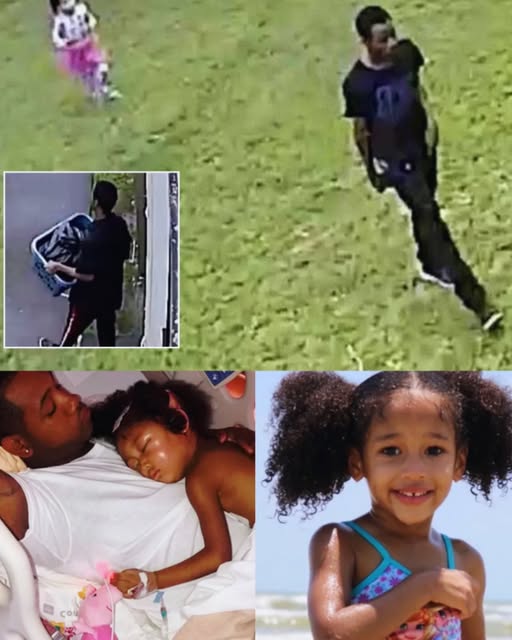
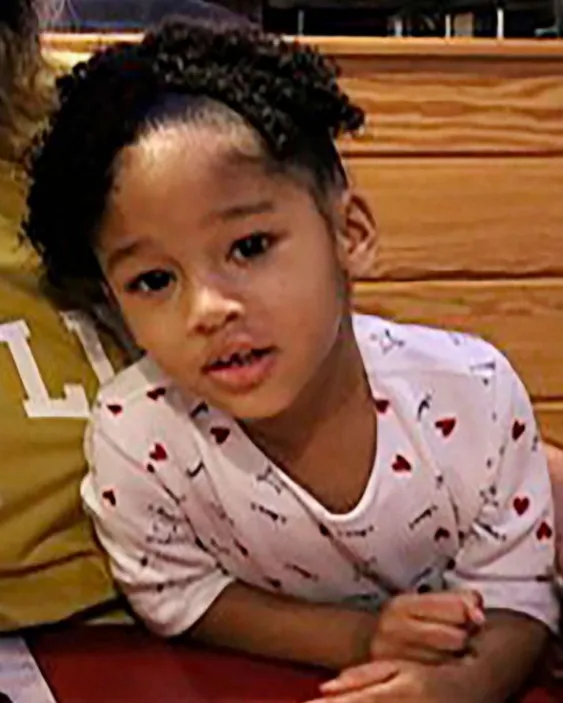
In May 2019, the disappearance of 4-year-old Maleah Davis shook Houston in a way no one expected.
She was a small girl with bright eyes, a shy smile, and a softness in her voice that made those around her instinctively protective.
But behind that sweetness lived a secret world of pain that few truly understood.
And the truth of what happened to her would haunt an entire nation.
Her stepfather, Derion Vence, was the one who first reported her missing.
He told police that he had been attacked by three unknown men who knocked him unconscious and kidnapped little Maleah.
For a brief moment, people hoped the child was still alive, somewhere waiting to be found.
But hope would not survive long.
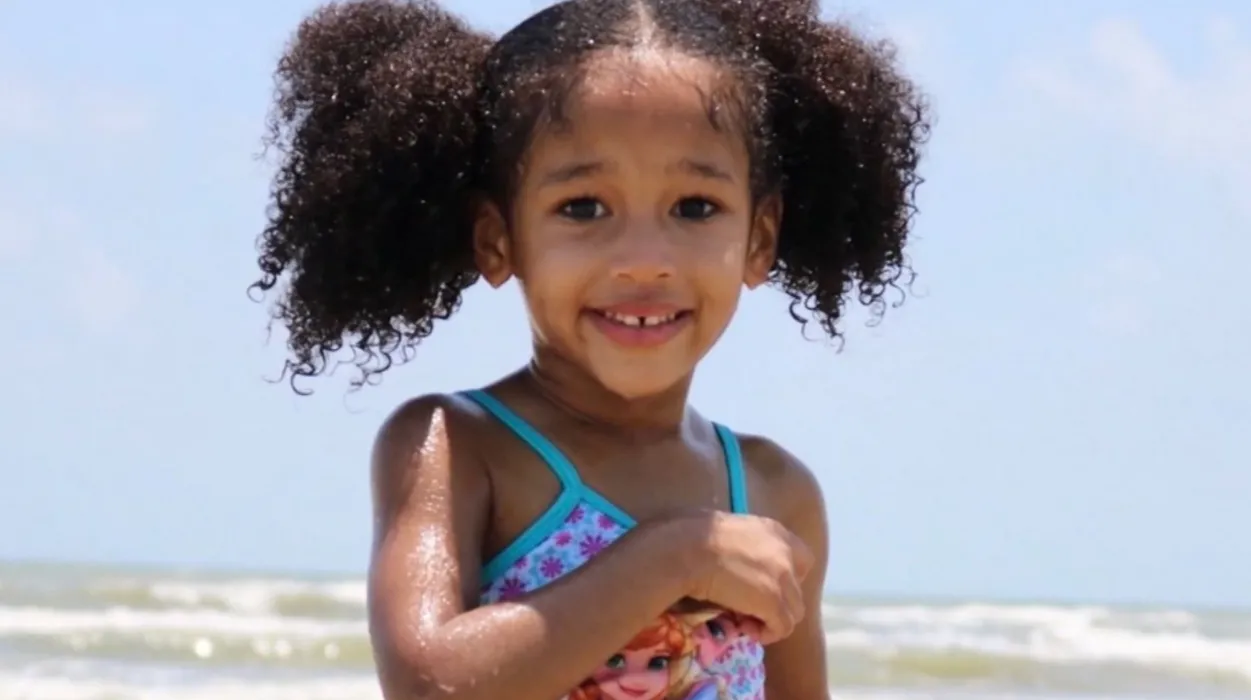
As investigators began digging into Vence’s story, troubling signs appeared almost immediately.
Surveillance footage from the family’s apartment showed Maleah walking inside with Vence on May 3, smiling faintly as if unaware of the danger that awaited her.
But what shook detectives to their core was the realization that no camera ever recorded her leaving that apartment again.
The home she entered that day would be the last place she ever lived.
Inside the apartment, police found blood that laboratory tests confirmed belonged to Maleah.
In Vence’s car, trained dogs detected traces of human decomposition, evidence that no child should ever be associated with.
The walls of Vence’s lies began to crack, revealing a dark truth that had been hidden far too long.
Just days after his arrest, pressure and guilt pushed Vence past the point of maintaining his fabricated story.
His confession came slowly, agonizingly, as investigators chipped away at the falsehoods.
He admitted that there had been no abduction, no masked men, no sudden attack.
What he revealed instead was a nightmare: he had disposed of Maleah’s little body in Arkansas.
Authorities later discovered the remains on the side of a lonely road, wrapped in a black trash bag.
The body was so badly decomposed that determining the exact cause of death was impossible.
But what was clear was that Maleah had been murdered.
A child who deserved love, safety, and tenderness had been discarded like something unworthy of care.
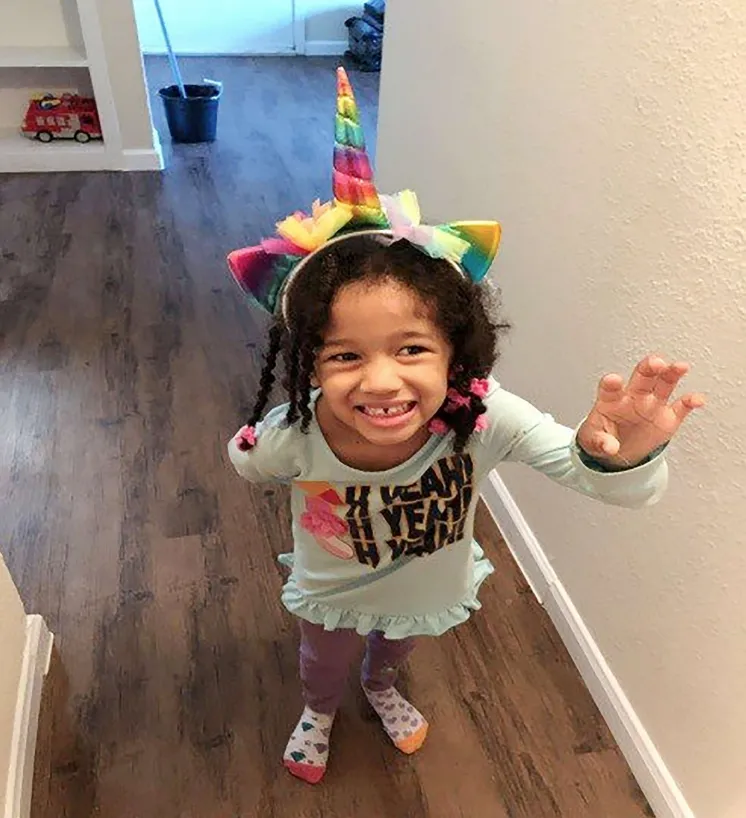
As the investigation continued, more disturbing details surfaced about Maleah’s short life.
Months before her disappearance, Maleah had suffered a severe head injury that required hospitalization.
Family members and teachers had repeatedly expressed concern about possible abuse.
But somehow, despite all the warnings, the system failed her and returned her to Vence’s custody.
Maleah’s mother, Brittany Davis, had been hospitalized during those months, leaving Vence as the primary caretaker.
What happened inside that home—behind closed doors, away from watchful eyes—became clearer only after Maleah’s death.
She had been abused.
She had been hurt repeatedly.
She had been living in fear long before the final moments of her life.