











Now Reading: The Golden Arches vs. The Plastic Stool: McDonald’s Pivot in Vietnam
-
01
The Golden Arches vs. The Plastic Stool: McDonald’s Pivot in Vietnam

The Golden Arches vs. The Plastic Stool: McDonald’s Pivot in Vietnam
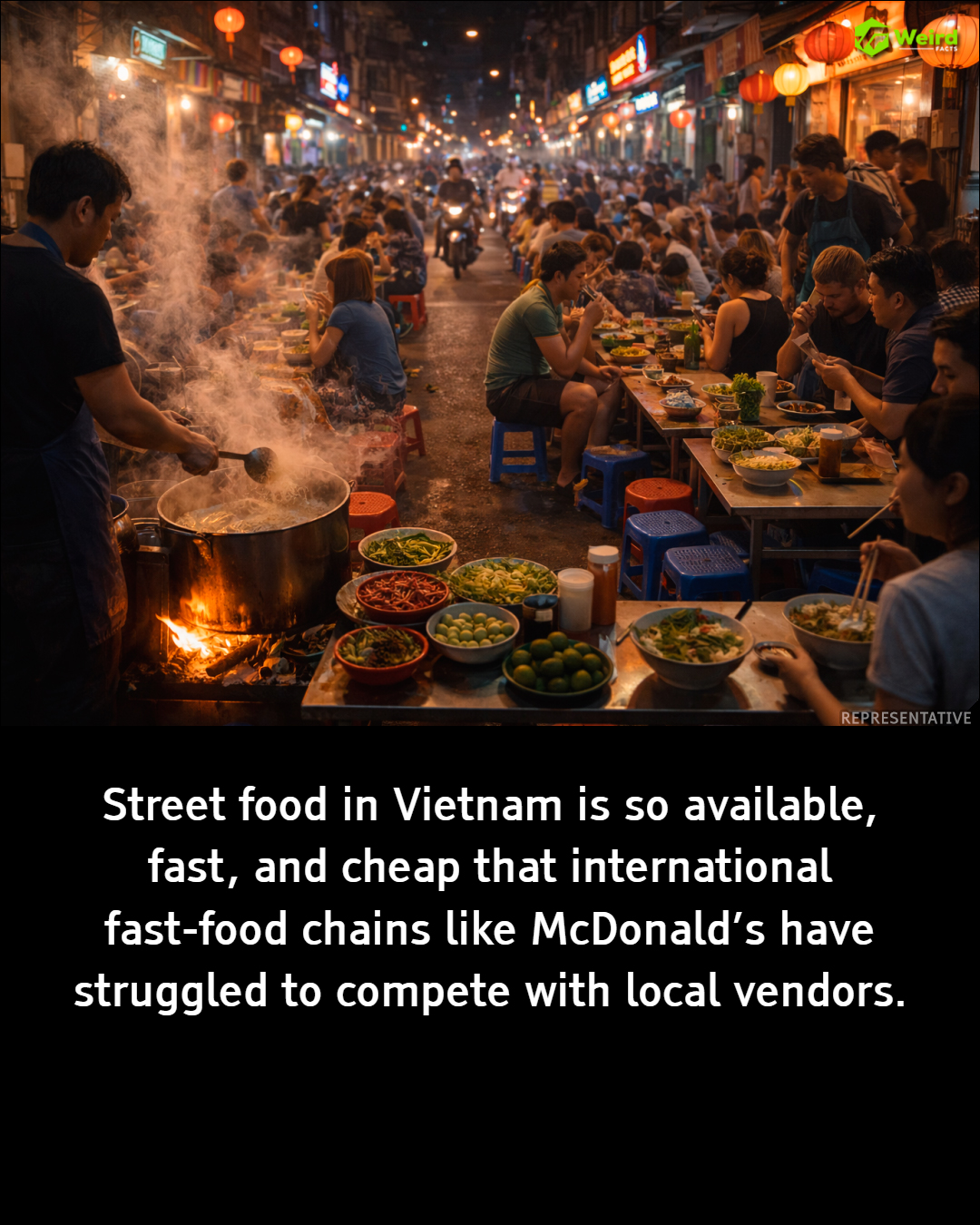
For decades, Vietnam’s culinary identity has been defined by the sidewalk. It is a land where world-class gastronomy is served on tiny plastic stools, and a steaming bowl of pho or a crusty banh mi is never more than a few steps—or a few dollars—away. This hyper-local, high-speed food culture has created a formidable barrier for global giants. When McDonald’s entered the Vietnamese market in 2014, the hype was palpable; thousands queued for a taste of the Big Mac, and the company set an ambitious goal of opening 100 stores within a decade.
A Decade of Reality Checks
Fast forward to today, and the landscape looks different than those early projections suggested. After more than ten years on the ground, McDonald’s operates roughly 40 outlets—less than half of its original target. The “Golden Arches” haven’t failed, but they have certainly been humbled by the sheer efficiency of Vietnam’s street food economy.
The struggle boils down to a fundamental clash of value propositions:
-
Price Point: While a McDonald’s meal is considered “fast food” globally, it often sits at a premium price point in Vietnam compared to local vendors.
-
Cultural Entrenchment: Street food isn’t just a meal; it’s a social fabric. Local vendors offer fresh, customizable, and culturally resonant flavors that are deeply woven into the daily routine.
-
Speed and Accessibility: In many Vietnamese cities, a motorbike-friendly street stall is often faster and more convenient than a traditional drive-thru or mall-based restaurant.
The 2026 Strategy: A Bold New Chapter
Refusing to be sidelined, McDonald’s announced a pivot in 2026 that signals a new era of localized competition. The company intends to triple its presence within just three years, a move that suggests a radical shift in strategy.
To achieve this, the chain is moving away from being a “special occasion” destination and toward becoming an “everyday” choice. The focus has shifted to extreme affordability and broader appeal, likely involving menu innovations that bridge the gap between American fast food and Vietnamese palates.