








Now Reading: Billie Eilish’s “Stolen Land” Comment Sparks Response from Tongva Tribe
-
01
Billie Eilish’s “Stolen Land” Comment Sparks Response from Tongva Tribe

Billie Eilish’s “Stolen Land” Comment Sparks Response from Tongva Tribe
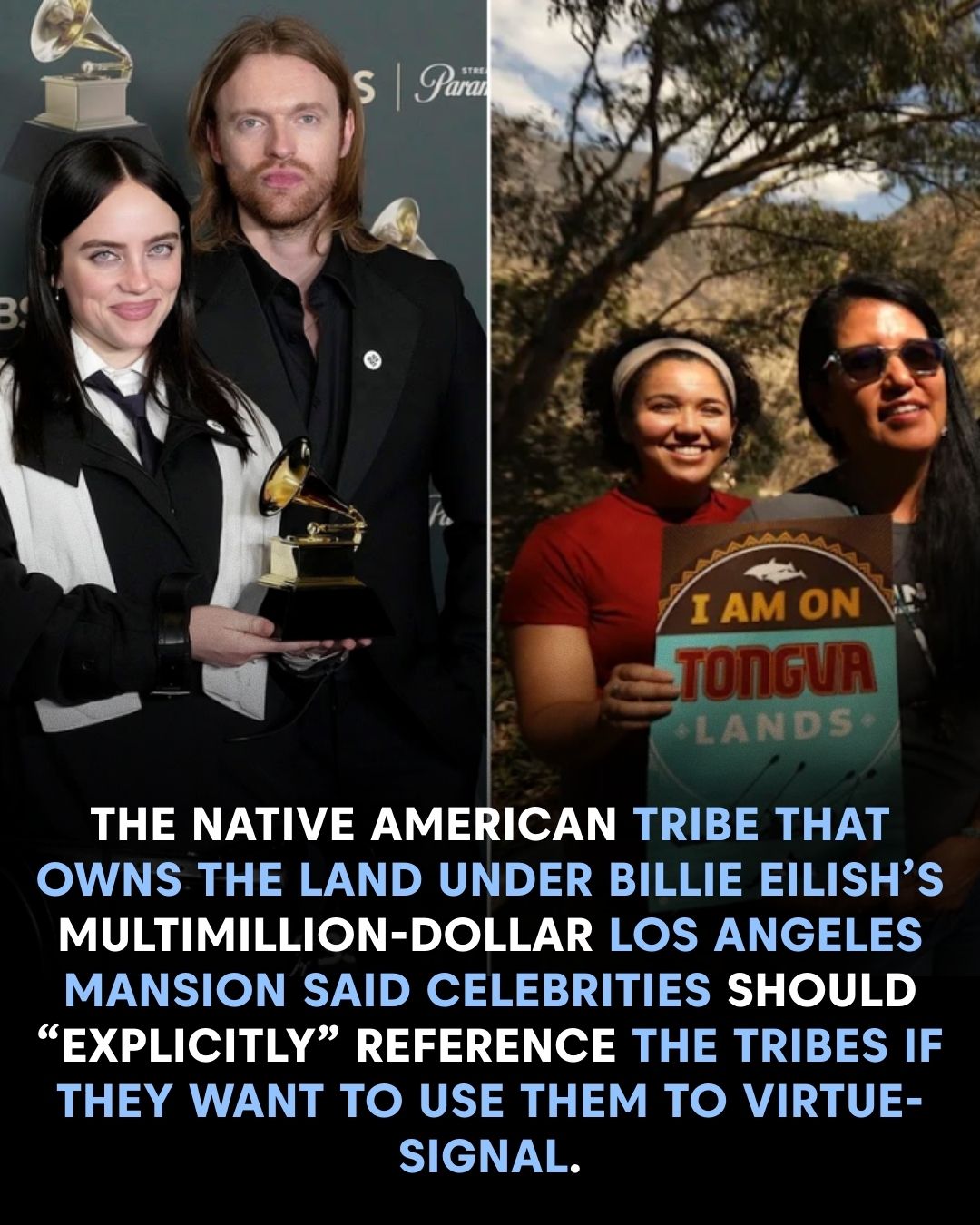
A brief moment during a recent awards acceptance speech by Billie Eilish has ignited a national conversation regarding land rights, celebrity activism, and the specific history of the Los Angeles basin. After the Grammy-winning artist declared that “no one is illegal on stolen land,” the Tongva Tribe, whose ancestral territory encompasses much of modern-day Los Angeles, has stepped forward to provide local context to her viral remarks.
Tribal Recognition and the Call for Specificity
The Tongva people, also known as the Gabrieleño, confirmed this week that Eilish’s own Los Angeles residence sits directly upon their traditional lands. While tribal representatives expressed appreciation for the singer’s intent to highlight Indigenous history, they noted a missing link in the gesture: direct communication.
“While we appreciate public figures bringing attention to these issues, Billie Eilish has not yet contacted the tribe directly,” a spokesperson for the Tongva stated.
The tribe is now calling for public figures to move beyond general slogans. They suggested that if influencers and artists wish to advocate for Indigenous sovereignty, they should explicitly name the Gabrieleno Tongva people. Doing so, the tribe argues, transforms a political soundbite into a tangible educational moment that helps the public understand exactly whose history is being invoked.
Political Backlash and “Tangible Action”
Eilish’s comments, which also included a critique of U.S. immigration enforcement, did not sit well with everyone. The rhetoric sparked a firestorm among conservative leaders. Florida Governor Ron DeSantis and Senator Mike Lee were among those who criticized the statement, questioning the efficacy of “land acknowledgments” without accompanying sacrifice.
The core of the criticism from both political rivals and some Indigenous advocates centers on the gap between rhetoric and action. Critics argued that if a public figure identifies their property as “stolen,” the acknowledgment should be matched by more than just words—perhaps through land returns or direct financial support to tribal initiatives.
The Evolving Debate on Land Acknowledgments
This exchange has fueled a broader debate over the “land acknowledgment” trend. For many Indigenous communities, these statements are a double-edged sword: they provide visibility but often feel performative if the tribe in question is treated as a historical relic rather than a living contemporary partner.
The Tongva Tribe’s response serves as a reminder that “stolen land” isn’t a nebulous concept—it belongs to specific families and communities who are still seeking a seat at the table in Los Angeles’s cultural and political landscape.