












Now Reading: The $21 Million Ticket: The Rise and Fall of the Unlimited AAirpass
-
01
The $21 Million Ticket: The Rise and Fall of the Unlimited AAirpass

The $21 Million Ticket: The Rise and Fall of the Unlimited AAirpass
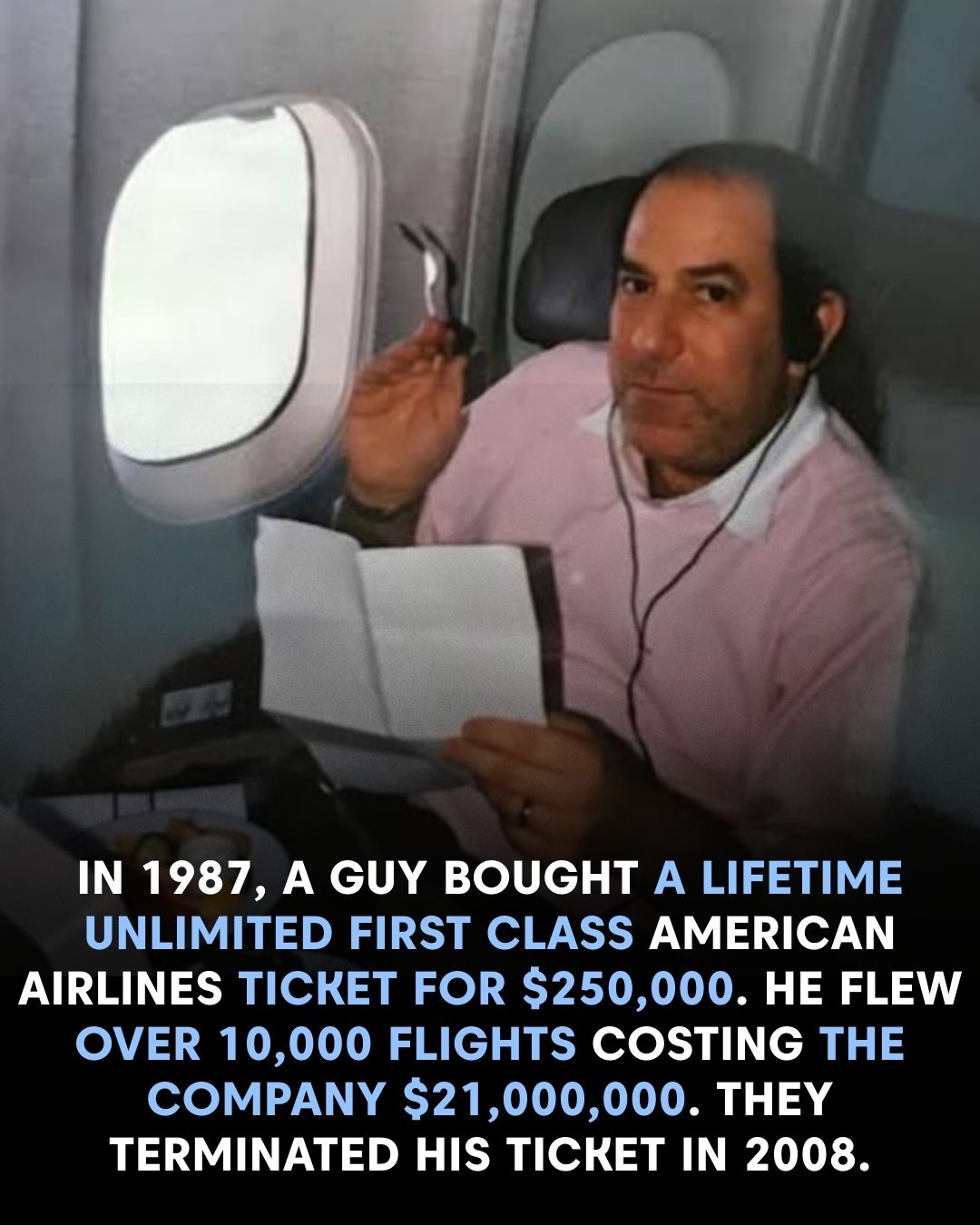
In 1987, an investment banker named Steven Rothstein made a financial move that would eventually become legendary in the annals of aviation history. He paid a flat fee of $250,000 to American Airlines for a “golden ticket” known as the AAirpass. This wasn’t just a high-end loyalty card; it was a contract for unlimited, first-class travel for the rest of his life.
The Ultimate Frequent Flyer
For Rothstein, the investment was a dream come true. Over the next two decades, he turned the skies into his personal transit system. His travel habits were staggering:
-
Total Flights: More than 10,000.
-
Frequency: He often booked flights on a whim, sometimes hopping between cities multiple times in a single day just to grab lunch or visit a friend.
-
Mileage: He accumulated tens of millions of miles, far surpassing even the most seasoned commercial pilots.
While the initial quarter-million dollars seemed like a windfall for American Airlines in the high-interest era of the 1980s, the long-term math told a different story. As fuel costs rose and ticket prices climbed, the airline realized they had essentially handed Rothstein a blank check. By some estimates, the actual cost to the airline for his two decades of global wandering topped $21 million.
The Turbulence of Termination
The “perfect deal” hit a terminal wall in 2008. American Airlines, facing financial pressures and looking to prune expensive liabilities, began auditing their elite pass holders. They accused Rothstein of violating the “fraud” and “misuse” clauses of his contract. Specifically, they alleged he was booking companion seats under “speculative” names (like “Bag Rothstein”) or giving his companion pass to strangers at the gate.
In a dramatic confrontation at Chicago’s O’Hare International Airport, airline employees handed Rothstein a letter terminating his lifetime privileges effective immediately. The man who had spent twenty years in the front of the plane was suddenly grounded.
A Business Lesson in Lifetime Perks
The story of the AAirpass remains a cautionary tale in the corporate world. What began as a bold marketing strategy to raise quick capital in the 1980s transformed into one of the most expensive loyalty program blunders in history. It highlights a fundamental risk in business: the danger of offering unlimited perks without accounting for the extreme “super-user.”
Today, the AAirpass is no longer sold in its unlimited form, standing as a relic of a different era in aviation—a time when a single signature and a steep check could buy you the entire world, one first-class seat at a time.