






Now Reading: Beyond the Stereotype: The Practical History of Cops and Donuts
-
01
Beyond the Stereotype: The Practical History of Cops and Donuts

Beyond the Stereotype: The Practical History of Cops and Donuts
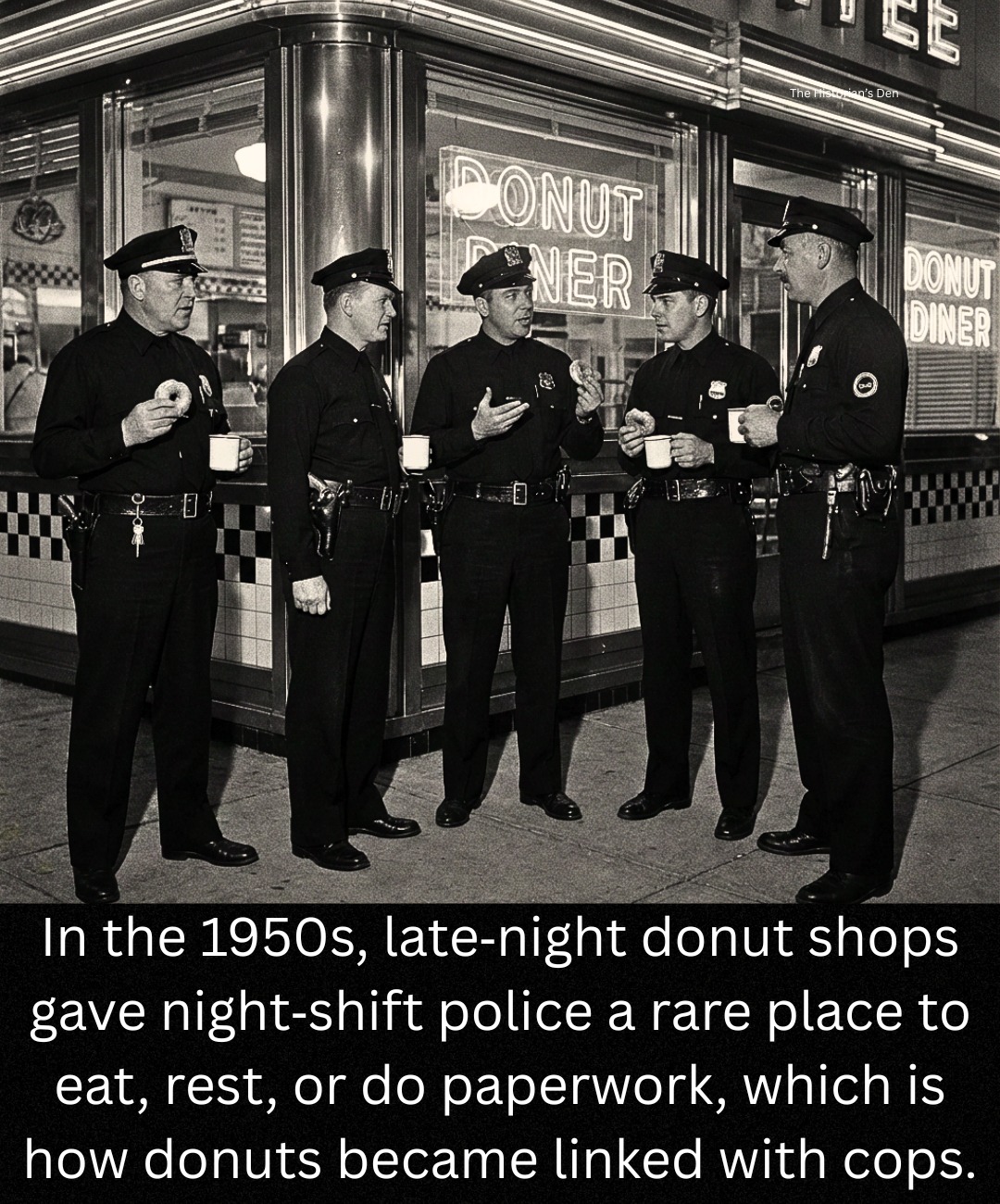
The image of a police officer at a donut shop is one of the most enduring cliches in American culture. While it has become the punchline of countless jokes, the origin of this association isn’t about a love for sugar—it was a matter of survival and necessity during the mid-20th century.
The Midnight Landscape
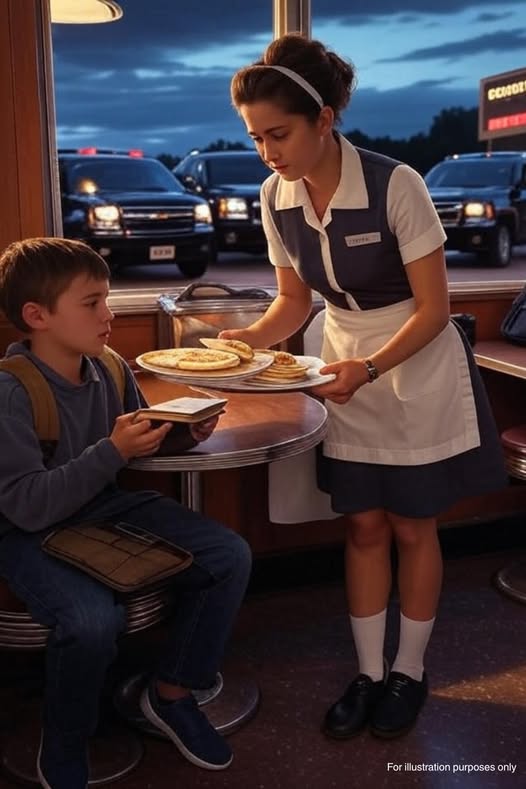
In the 1950s, the “city that never sleeps” was a myth for most of America. Before the explosion of 24-hour fast-food chains and convenience stores, almost every business shuttered its doors by 10 p.m. For police officers working the graveyard shift, the streets were dark, cold, and devoid of amenities.
Donut shops were the rare exception. Because bakers had to work through the night to ensure fresh pastries were ready for the morning rush, these shops were among the only places with the lights on at 3 a.m.
A Mutual Benefit
The relationship between officers and bakeries was a natural fit. For the officers, donut shops provided:
-
Reliability: They were guaranteed to be open and serving hot coffee.
-
Safety and Light: They offered a well-lit space to write up reports or take a much-needed break.
-
Affordability: On a public servant’s salary, a coffee and a donut were an inexpensive way to stay alert.
For the shop owners, having an officer on the premises provided an added layer of security during the lonely overnight hours. This mutual convenience meant that a patrol car parked out front became a common sight in every American town.
From Reality to Pop Culture
Over decades, this practical overlap solidified into a cultural shorthand. By the time television and film began to lean into the trope, the “cop and donut” stereotype was already firmly planted in the public’s mind.
Today, while officers have endless 24-hour options for food and caffeine, the legacy of those early bakeries remains. It is a piece of urban history that reminds us how the schedules of the people who feed us and the people who protect us once aligned perfectly in the quiet hours of the night.