












Now Reading: “Blessed are the poor in spirit, for theirs is the kingdom of heaven.”
-
01
“Blessed are the poor in spirit, for theirs is the kingdom of heaven.”

“Blessed are the poor in spirit, for theirs is the kingdom of heaven.”
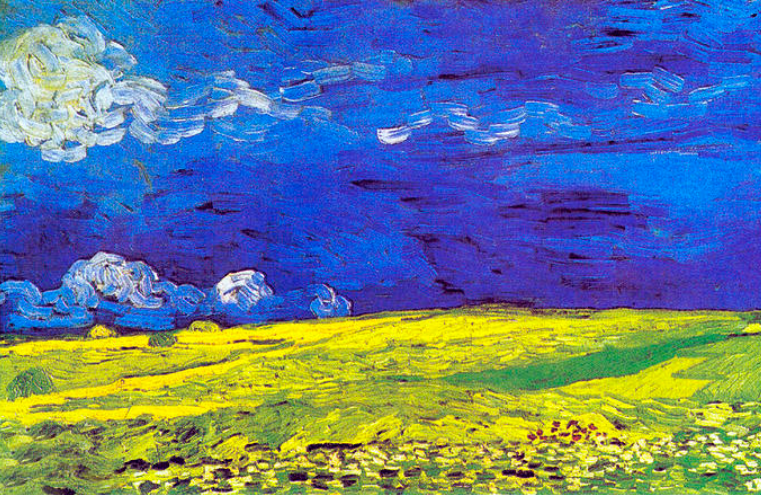
Among the most striking statements in the Beatitudes is the very first one: “Blessed are the poor in spirit, for theirs is the kingdom of heaven” (Matthew 5:3). This verse lays the foundation for the entire Sermon on the Mount and reveals a radical perspective on what it means to be truly blessed.
What does “poor in spirit” mean?
The phrase does not refer to material poverty, nor does it glorify suffering or deprivation. Instead, being “poor in spirit” means recognizing our spiritual need and dependence on God. It is the attitude of humility—the awareness that human strength, wisdom, and achievements are limited without divine guidance.
In a world that often equates success with wealth, power, and self-sufficiency, Jesus redefines greatness by placing value on spiritual humility. To be “poor in spirit” is to admit that we cannot find ultimate fulfillment in ourselves alone, but that true richness comes from God’s presence in our lives.
Why is this a blessing?
Jesus declares that those who are poor in spirit already belong to the “kingdom of heaven.” This is not only a promise of eternal life after death but also a present reality of experiencing God’s rule here and now. The humble heart is open to transformation, to growth, and to receiving God’s grace in ways that pride and arrogance cannot.
Practical meaning for today
For modern readers, this teaching is a powerful reminder that genuine happiness and peace do not come from possessions or status. Instead, they arise from acknowledging our spiritual needs, seeking God’s wisdom, and living with humility in our relationships with others.
By starting the Beatitudes with this verse, Jesus turns the world’s values upside down: blessedness is not about what we own or control, but about the openness of the heart to God’s kingdom.