







Now Reading: Generational Breakdown: The Importance of Transmitting Knowledge Across Generations
-
01
Generational Breakdown: The Importance of Transmitting Knowledge Across Generations

Generational Breakdown: The Importance of Transmitting Knowledge Across Generations
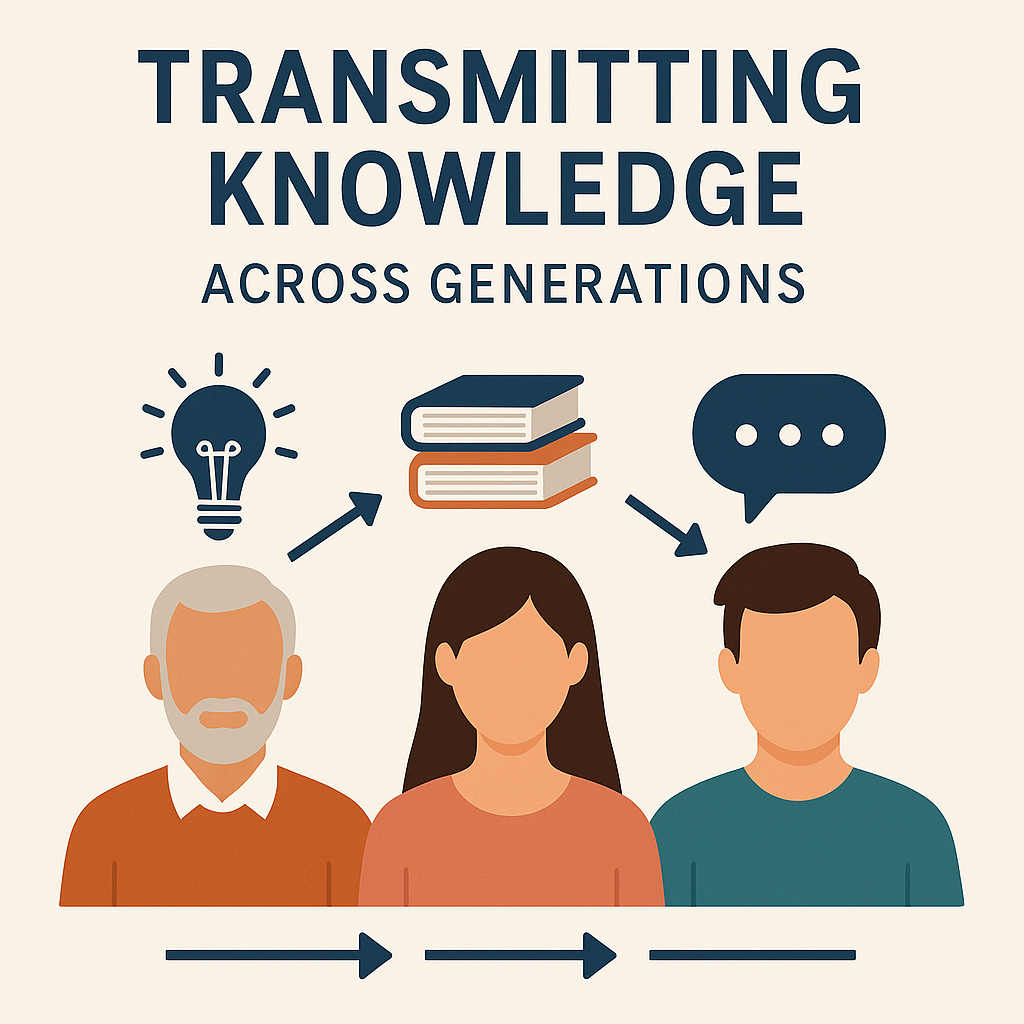
In every society, the transfer of knowledge from one generation to the next is one of the most vital elements of cultural survival and progress. From ancient oral traditions to modern mentorship programs, the passing down of wisdom ensures that experience, values, and practical skills are not lost but continually refined and adapted.
Today, in a fast-changing world driven by technology, globalization, and shifting cultural norms, the need to bridge the generational knowledge gap has never been more important.
Why Knowledge Transmission Matters
Generational knowledge is more than just storytelling. It involves the sharing of life lessons, technical skills, cultural heritage, ethical values, and historical context. This transmission serves multiple purposes:
-
Preserving Identity: Traditions, languages, and rituals give younger generations a sense of belonging and continuity.
-
Avoiding Repetition of Mistakes: Learning from the experiences of elders helps younger people avoid pitfalls and navigate challenges more wisely.
-
Building Innovation on Experience: New ideas thrive best when rooted in a solid understanding of past successes and failures.
When this transfer fails, societies risk losing essential cultural memory, practical know-how, and the resilience that comes from learning through shared experience.
The Modern Generational Divide
Today, many families and communities are experiencing a disconnect between generations. Technology has created an unprecedented cultural gap, with younger generations fluent in digital life, while older generations retain deep knowledge of pre-digital problem-solving, hands-on skills, and interpersonal communication.
For example, while Gen Z and Millennials may excel at coding or social media, they might lack experience in areas like home repairs, long-form writing, negotiation, or manual craftsmanship—skills that Baby Boomers and Gen X often developed through necessity.
Meanwhile, older generations may feel left out of the rapid pace of change, leading to isolation and a sense of irrelevance. This makes intentional knowledge sharing more essential than ever.
Ways to Foster Knowledge Transfer
Bridging the generational gap requires effort from both sides. Here are some ways families, communities, and organizations can encourage knowledge sharing:
-
Mentorship Programs: Pairing older mentors with younger mentees fosters skill transfer in workplaces, schools, and community centers.
-
Intergenerational Activities: Projects like family history documentation, cooking together, or DIY workshops create natural opportunities for learning and bonding.
-
Digital Storytelling: Encouraging elders to share their stories through videos, podcasts, or social media can make their wisdom accessible to younger audiences in modern formats.
-
Lifelong Learning: Older adults also benefit from learning new skills from younger generations, creating mutual respect and ongoing dialogue.
Looking Forward
Transmitting knowledge is not about living in the past—it’s about building a stronger future by weaving the lessons of yesterday into the fabric of tomorrow. When generations work together, they combine innovation with wisdom, ensuring that progress is both grounded and sustainable.
In a world that often feels divided by age, the act of sharing knowledge is a powerful way to bridge the gap and strengthen community bonds across generations.