











Now Reading: New SNAP Updates Start in November — What Households Should Know
-
01
New SNAP Updates Start in November — What Households Should Know

New SNAP Updates Start in November — What Households Should Know
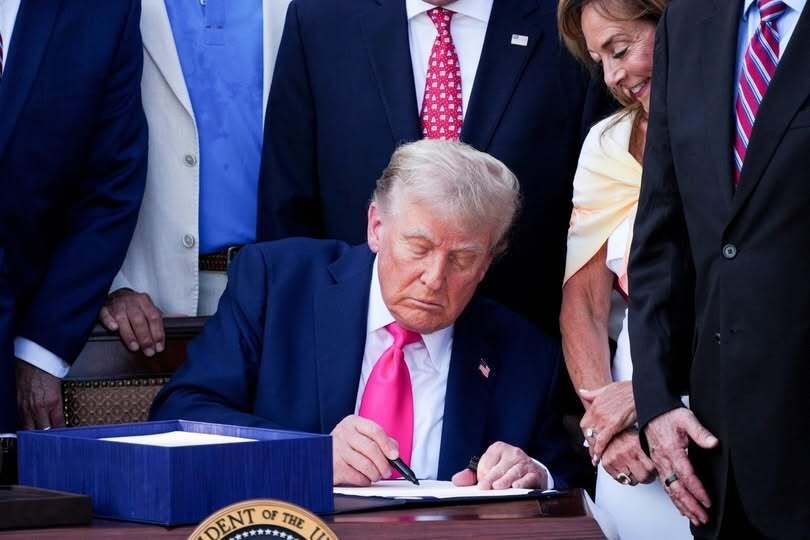
Millions of families across the United States depend on SNAP benefits to help put food on the table, especially as grocery prices and living costs continue to climb. Starting this November, updates to the One Big Beautiful Bill Act will introduce new rules that change how the program is managed and who qualifies for support. These changes come at a time when many households are still stretched thin, sparking both hope and concern about what lies ahead.
According to the Congressional Budget Office, federal spending on SNAP is projected to drop by roughly $187 billion through 2034. Among the updates are expanded work requirements for adults up to age 64, revised eligibility standards, and a gradual shift of some administrative duties from the federal government to individual states. While people with medical limitations will still qualify under special provisions, certain exemptions that previously offered automatic protections will be modified.
Eligibility guidelines will also shift. Access will focus more on U.S. citizens and lawful permanent residents, while benefit levels will be temporarily frozen until 2027 due to a pause on Thrifty Food Plan updates. After that, any future adjustments must remain cost-neutral—meaning benefits cannot increase federal spending. Over time, states will shoulder more program costs, potentially leading to variations in how assistance is distributed nationwide.
Supporters argue that these policy changes aim to promote workforce participation and strengthen accountability within the program. However, advocacy groups warn that the new requirements could make it harder for some families to receive food assistance.
With more than 40 million Americans currently relying on SNAP, states and community organizations are bracing for the transition. As these updates take effect, the coming months will reveal how well the balance between fiscal responsibility and food security can truly be maintained.