











Now Reading: Nicole Aunapu Mann: Breaking the Celestial Ceiling
-
01
Nicole Aunapu Mann: Breaking the Celestial Ceiling

Nicole Aunapu Mann: Breaking the Celestial Ceiling
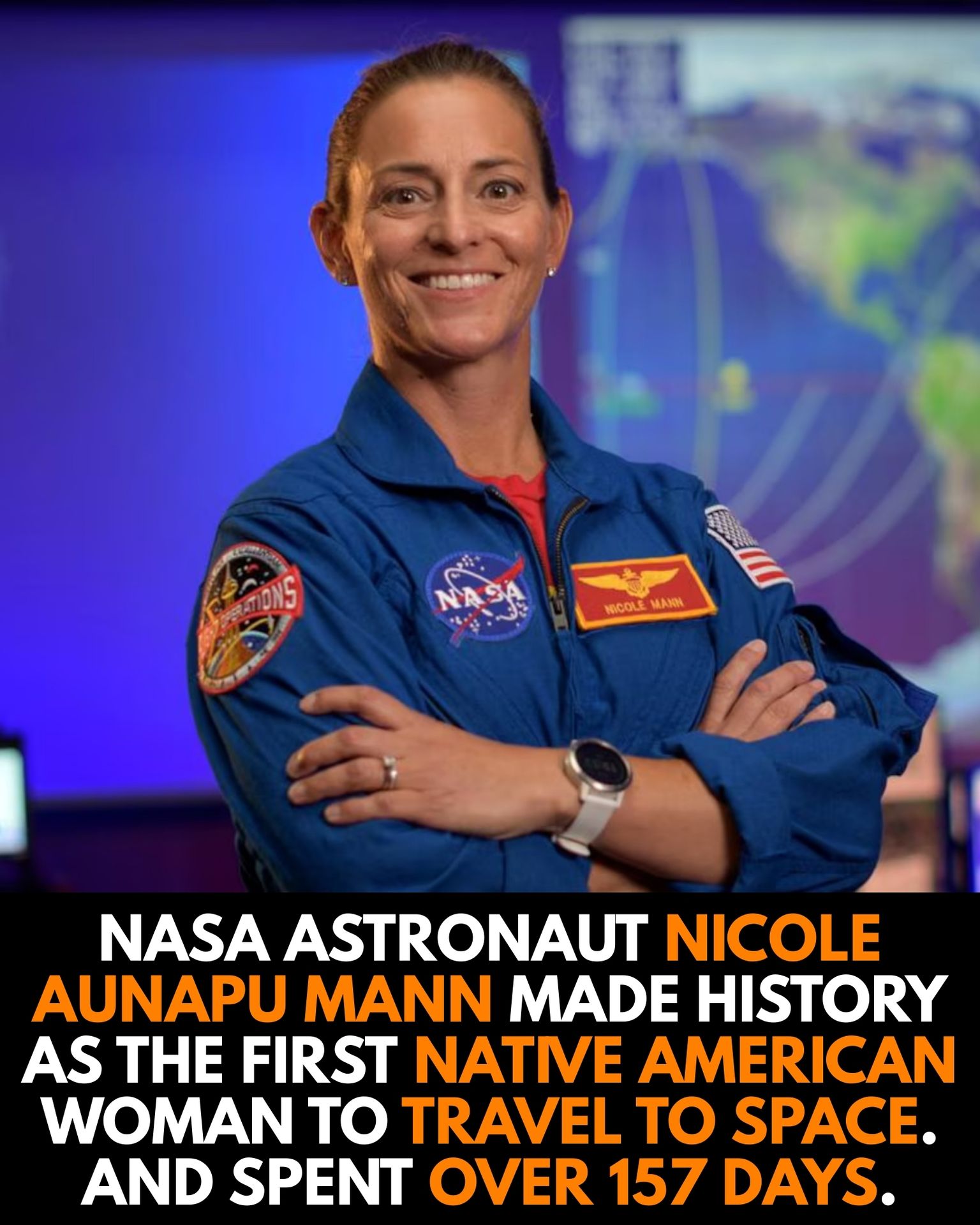
In October 2022, the thunderous roar of a SpaceX Falcon 9 rocket carried more than just supplies to the International Space Station (ISS); it carried a historic milestone for Indigenous representation. Nicole Aunapu Mann, a member of the Wailacki of the Round Valley Indian Tribes in California, made history as the first Native American woman to reach orbit, serving as the mission commander for SpaceX Crew-5.
From Test Pilot to Astronaut
Mann’s journey to the stars was built on a foundation of rigorous discipline. Before joining NASA, she served as a Marine Corps test pilot, accumulating over 2,500 flight hours in various aircraft. This background proved vital when she was selected as one of the eight members of NASA’s 21st astronaut class.
As the commander of the Crew-5 mission, Mann was responsible for all phases of flight, from launch to re-entry. Her leadership during the 157-day stay aboard the ISS was instrumental in maintaining the station and overseeing a diverse international crew.
Science and Survival in Microgravity
During her five-month tenure in low Earth orbit, Mann was not merely a passenger; she was a scientist and a technician. She participated in hundreds of experiments designed to push the boundaries of human knowledge. Key areas of focus included:
-
Human Health: Studying how the human body adapts to long-term weightlessness to prepare for multi-year missions to Mars.
-
Technology Demos: Testing new hardware and 3D-printing techniques that could allow future lunar colonists to manufacture their own tools.
-
Station Maintenance: Performing complex spacewalks to upgrade the station’s power systems and external structures.
Carrying Culture to the Cosmos
Representation was at the heart of Mann’s mission. She famously carried a “dream catcher” and other cultural items from her community into orbit, symbolizing a bridge between ancient heritage and future-facing technology. Her presence in the astronaut corps serves as a powerful signal that the “Overview Effect”—the cognitive shift reported by astronauts when seeing Earth from space—belongs to all people, regardless of their background.
A Legacy for the Next Generation
Nicole Aunapu Mann’s achievement is a reminder that the frontier of space is expanding to include the voices and perspectives of everyone. By commanding a mission to the ISS, she has cleared a path for the next generation of Indigenous scientists, pilots, and explorers who look at the stars and see a place where they belong.