













Now Reading: The Biological Deep Clean: Understanding the Power of Autophagy
-
01
The Biological Deep Clean: Understanding the Power of Autophagy

The Biological Deep Clean: Understanding the Power of Autophagy
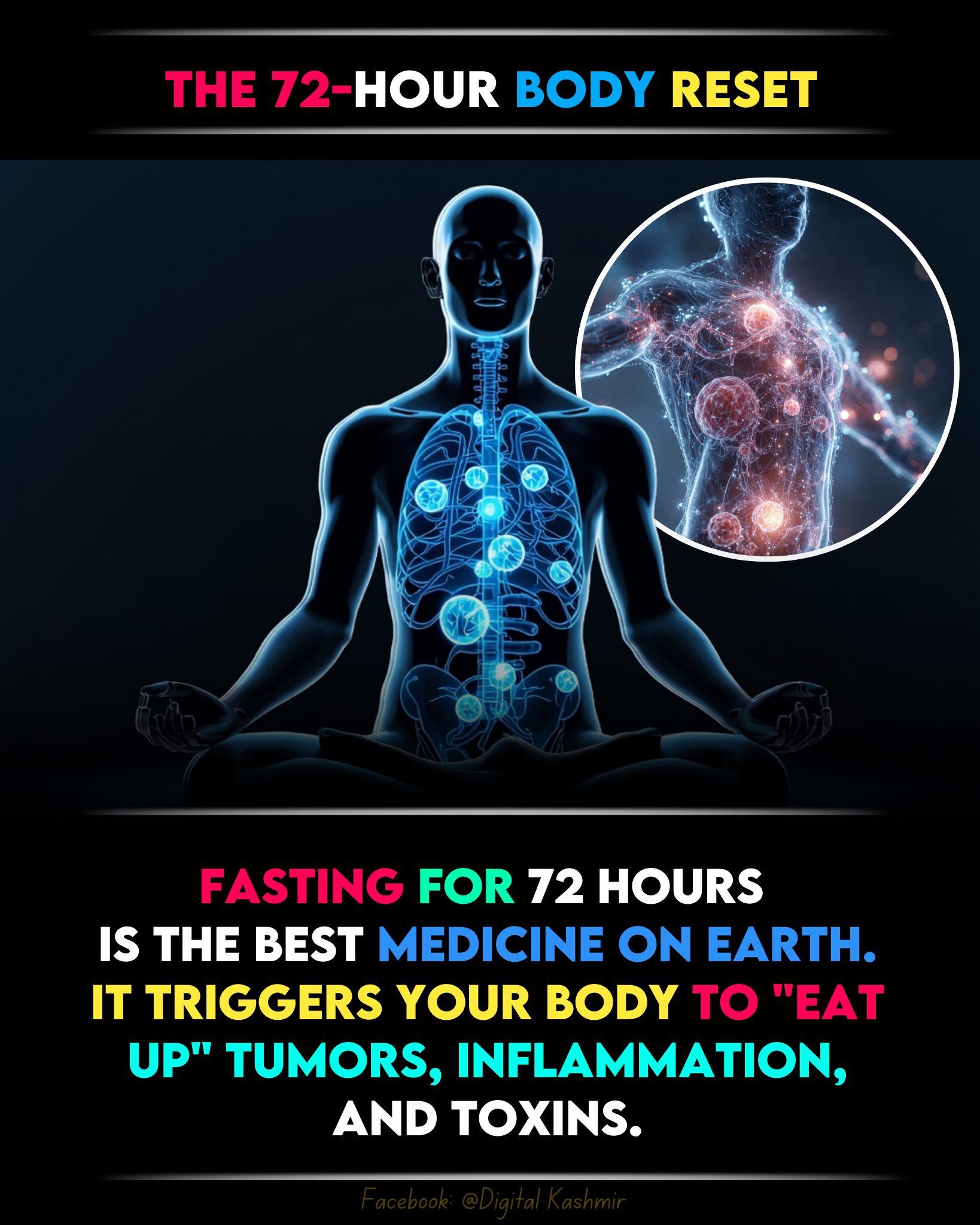
The human body is often compared to a complex machine, but unlike any man-made engine, it possesses a built-in, automated recycling system designed to repair itself from the inside out.1 This biological process is known as autophagy—a term derived from the Greek words for “self-eating.”2 While the name might sound intense, it describes one of the most vital mechanisms for maintaining long-term health and cellular integrity.
Flipping the Metabolic Switch
Under normal conditions, our bodies run on a constant stream of glucose from the food we consume. However, when we enter a period of prolonged fasting—typically reaching a peak around 72 hours—we flip a metabolic switch. Once glucose reserves are depleted, the body searches for alternative energy sources.3
Instead of merely burning fat, the body begins a sophisticated “house-cleaning” protocol. It identifies damaged proteins, dysfunctional mitochondria, and old cellular components that are no longer performing efficiently. Through autophagy, these “junk” materials are broken down and repurposed into energy or new building blocks for healthy cells.4
The Benefits of a Cellular Reset
The primary advantage of this “self-eating” process is its ability to reduce systemic inflammation. By clearing out cellular debris, the body effectively:
-
Renews the Immune System: Old immune cells are cleared away, making room for more effective, regenerated versions.5
-
Optimizes Energy Production: Removing sluggish mitochondria allows the body to produce energy more efficiently.
-
Supports Longevity: Regular “deep cleans” at the cellular level are linked to improved metabolic health and the prevention of various age-related issues.
Safety First
While the science of autophagy is compelling, a 72-hour fast is a significant physiological undertaking. Maintaining electrolyte balance (sodium, potassium, and magnesium) is critical to prevent dizziness or heart palpitations.6 Most importantly, you should always consult a medical professional before attempting prolonged fasting to ensure it is safe for your specific health profile.