









Now Reading: The Inventor Who Had to Hide: Garrett Morgan and the Safety Hood
-
01
The Inventor Who Had to Hide: Garrett Morgan and the Safety Hood

The Inventor Who Had to Hide: Garrett Morgan and the Safety Hood
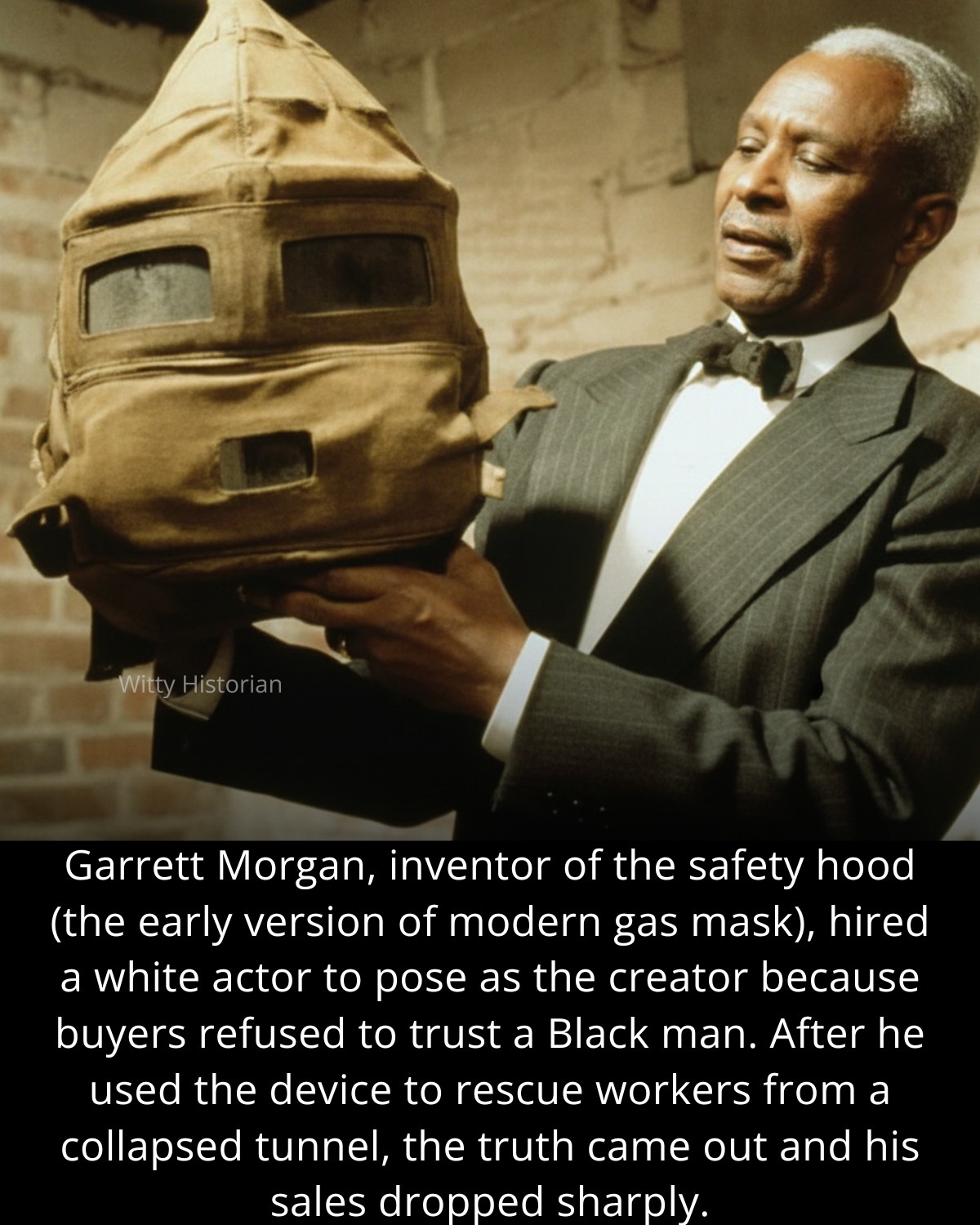
In 1914, Garrett Morgan, a brilliant inventor from Cleveland, created a safety device that was an early ancestor of the modern gas mask. It was a canvas hood with air-filtering tubes, designed to save lives in toxic environments like fires and collapsed tunnels. Morgan knew his creation could revolutionize safety, but he faced a formidable barrier: racism. Buyers simply refused to trust a life-saving invention created by a Black man.
The White Actor and the Silent Inventor
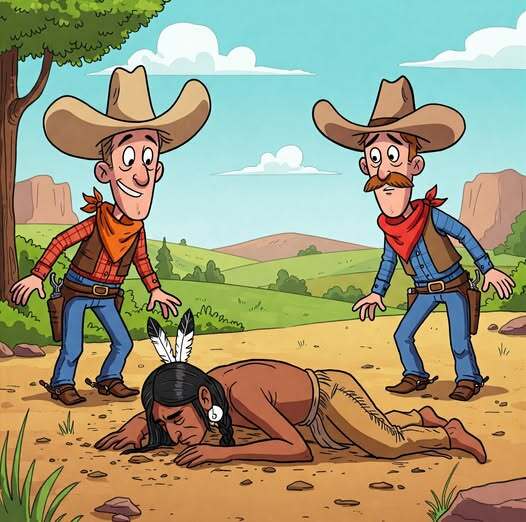
To bypass this crushing prejudice, Morgan devised a startling strategy. He hired a white actor to pose as the inventor during sales demonstrations. Morgan himself would often accompany the actor, sometimes disguised as a “Native American guide,” and quietly step in to perform the most dangerous part of the demo—walking into smoke-filled areas to prove the hood’s effectiveness.
When the true inventor was revealed, many potential departments and buyers instantly lost interest. Racism forced him to hide his own genius just to give his life-saving invention a chance on the market.
The Lake Erie Rescue
Everything changed dramatically in 1916. A waterworks tunnel under Lake Erie collapsed, trapping workers in deadly fumes. No rescue team could reach them.
Morgan rushed to the scene, put on his own safety hood, and personally entered the toxic environment, successfully helping to pull survivors out. The newspapers hailed his bravery, finally exposing him as the true inventor of the device.
Success Undermined
Tragically, the heroism and proof of the device’s life-saving capability did not conquer prejudice. Instead of seeing a surge in sales, Morgan saw many buyers cancel their orders once they realized he was Black.
Despite his device saving lives and proving to be one of the era’s most important safety inventions, prejudice cut his success short. Garrett Morgan’s story is a powerful reminder of the relentless barriers he had to fight simply to get his genius recognized and heard.
Would you like to learn more about other important inventions by Black Americans?