













Now Reading: The Life and Teachings of Jesus Christ: A Historical Overview
-
01
The Life and Teachings of Jesus Christ: A Historical Overview

The Life and Teachings of Jesus Christ: A Historical Overview
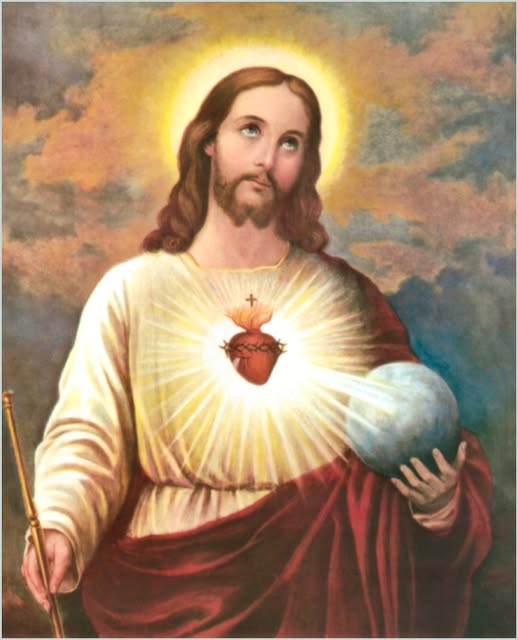
Jesus Christ stands as one of the most influential figures in human history. More than two millennia after His birth, His teachings and actions continue to inspire billions of people worldwide. Both as a religious leader and as a historical figure, the legacy of Jesus remains unmatched.
Early Life
Born in Bethlehem, Jesus was raised in Nazareth by Mary and Joseph. His humble beginnings contrasted with the extraordinary role He would later play in shaping the moral and spiritual foundations of entire civilizations.
Ministry and Teachings
At around the age of 30, Jesus began His public ministry. He preached about love, forgiveness, and humility, often addressing the marginalized and outcasts of society. The Sermon on the Mount, one of His most famous discourses, emphasized mercy, peace, and righteousness, setting a new moral framework that transcended cultural and social boundaries.
Miracles and Deeds
Historical accounts and biblical records describe Jesus performing miracles: healing the sick, restoring sight to the blind, multiplying food to feed thousands, and calming storms. These acts drew attention not only to His message but also to His divine authority, according to Christian belief.
Crucifixion and Resurrection
Jesus’ growing influence led to opposition from both religious leaders and political authorities. He was arrested, tried, and crucified by the Romans. Christians believe His death served as a sacrifice for the sins of humanity. Three days later, His resurrection was proclaimed—a cornerstone of Christian faith symbolizing hope, renewal, and eternal life.
Lasting Legacy
From a small group of disciples in the first century, the message of Jesus spread rapidly, giving rise to Christianity, one of the world’s major religions. Beyond faith, His life and teachings have influenced philosophy, law, art, and social justice movements for centuries.
Today, Jesus Christ is recognized not only as the central figure of Christianity but also as a timeless teacher whose words continue to guide and inspire.