












Now Reading: The “Unit’s” Choice: What is the Favorite Weapon of Delta Force?
-
01
The “Unit’s” Choice: What is the Favorite Weapon of Delta Force?

The “Unit’s” Choice: What is the Favorite Weapon of Delta Force?
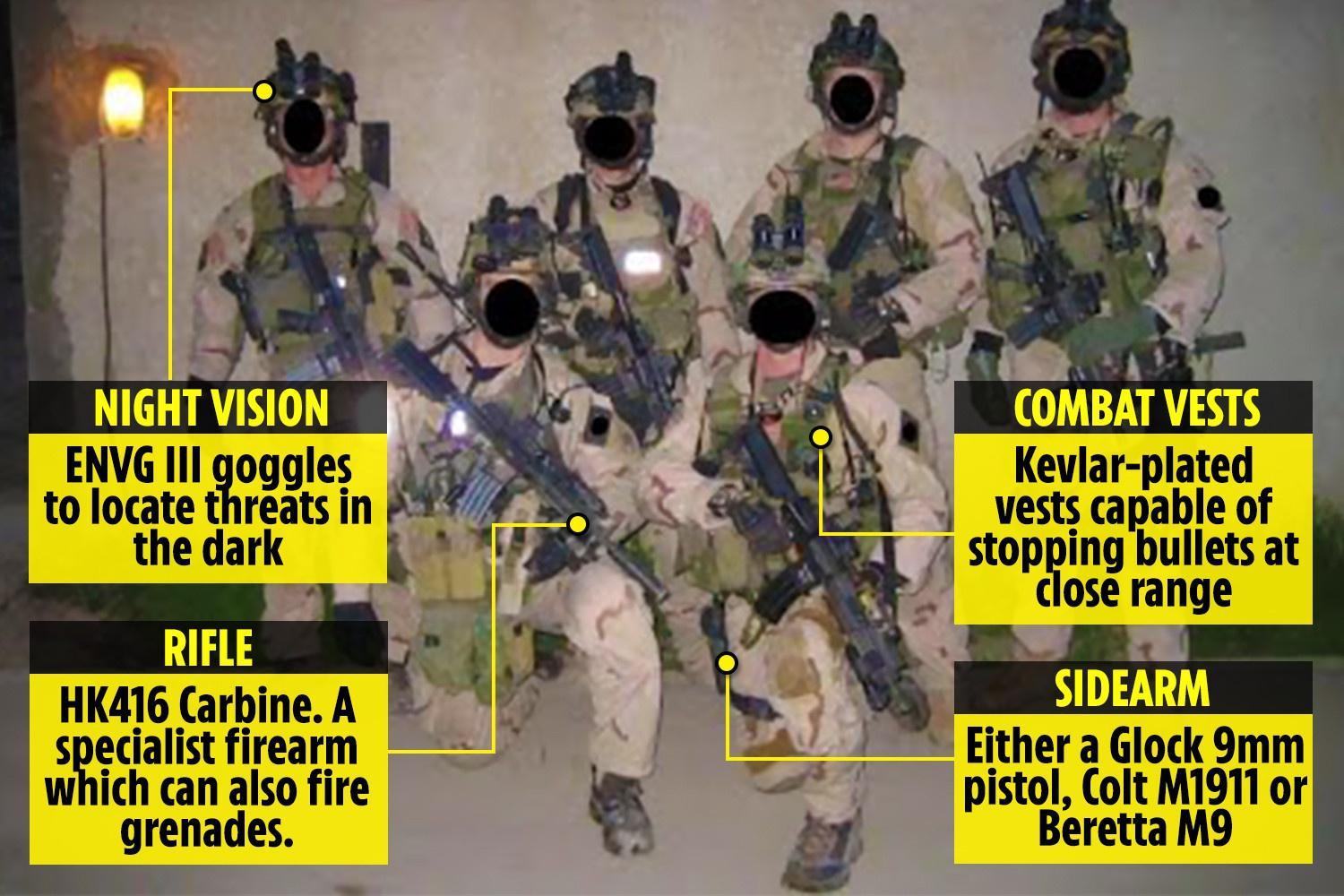
In the secretive world of the 1st Special Forces Operational Detachment-Delta (1st SFOD-D), equipment is more than just gear; it is an extension of the operator. While movies often focus on high-tech gadgets, the true favorite of the unit is a weapon born from a direct collaboration between Delta and German engineering: the Heckler & Koch HK416.
The Primary Choice: HK416
If you ask any “Unit” historian or veteran what defines a Delta operator’s silhouette, it is the HK416. Developed in the early 2000s at the request of Delta legend Larry Vickers, the 416 was designed to fix the reliability issues of the M4 carbine.
By replacing the traditional direct-impingement system with a short-stroke gas piston, Delta created a rifle that runs cooler, cleaner, and—most importantly—doesn’t choke when submerged in water or caked in sand. In 2026, the HK416 remains the “gold standard” for the unit, typically configured with a Geissele SMR rail, an EOTech optic, and a SureFire suppressor.
The Sidearm: A Modern Shift
For decades, the .45 caliber M1911 was the soulful favorite of Delta. However, modern mission requirements for higher capacity and reliability have led to a near-universal shift toward the Glock 19 (Gen 5) and the Glock 17.
Operators favor the Glock for its “combat simplicity.” In high-stress room clearing, the lack of a manual safety and the consistent trigger pull are life-saving features. Many Delta Glocks are heavily customized with “Roland Special” modifications, including compensators and Trijicon RMR red-dot sights.
The Emerging Power: The SIG M7
As of 2026, a new contender is appearing in Delta rucks: the SIG Sauer M7 (formerly the MCX Spear). Chambered in the high-pressure 6.8x51mm round, it provides the punch of a sniper rifle in the body of a carbine—a favorite for operators facing enemies with modern body armor.
Regardless of the model, a Delta weapon is never “stock.” Every piece is hand-tuned by the unit’s world-class gunsmiths to ensure that when an operator pulls the trigger, the result is absolute.
Delta Force “owns the night”
To truly understand how Delta Force “owns the night,” you have to look at the technology that allows them to see in near-total darkness as if it were daylight.
While standard night vision goggles (NVGs) offer a restricted “tube” view, Delta utilizes cutting-edge panoramic and fused systems that provide a massive tactical advantage.
The “Four-Eyed” King: GPNVG-18
The most iconic piece of Delta gear is the L3Harris GPNVG-18 (Ground Panoramic Night Vision Goggle). Often called “Quadeyes,” these are the goggles famously worn during the Bin Laden raid and remain the unit’s preferred choice for high-intensity urban clearing.
97° Field of View: Traditional NVGs only provide a 40° field of view, creating a “toilet paper roll” effect. The GPNVG uses four tubes to provide 97°, nearly matching human peripheral vision.
White Phosphor Technology: Delta moved away from “Green” vision years ago. They use Unfilmed White Phosphor, which renders the world in black and white. This provides significantly better contrast, depth perception, and reduced eye fatigue during 10-hour missions.
Targeting Speed: By seeing “more” of the room at once, an operator can identify threats in their periphery without turning their head, drastically speeding up the OODA loop (Observe, Orient, Decide, Act).
The Future: ENVG-B (The Fusion Goggle)
As of 2026, the unit is increasingly adopting the ENVG-B (Enhanced Night Vision Goggle – Binocular). This system doesn’t just amplify light; it fuses two different worlds:
- Image Intensification: High-resolution white phosphor for clear detail.
- Thermal Overlay: A thermal heat-map is “layered” over the night vision.
This allows Delta operators to see through camouflage, smoke, and thick fog. If an enemy is hiding behind a bush or in a dark corner, their body heat “glows” through the night vision image, making them impossible to miss.