












Now Reading: The Spotless Wonder: Kipekee and the Beauty of Genetic Diversity
-
01
The Spotless Wonder: Kipekee and the Beauty of Genetic Diversity

The Spotless Wonder: Kipekee and the Beauty of Genetic Diversity
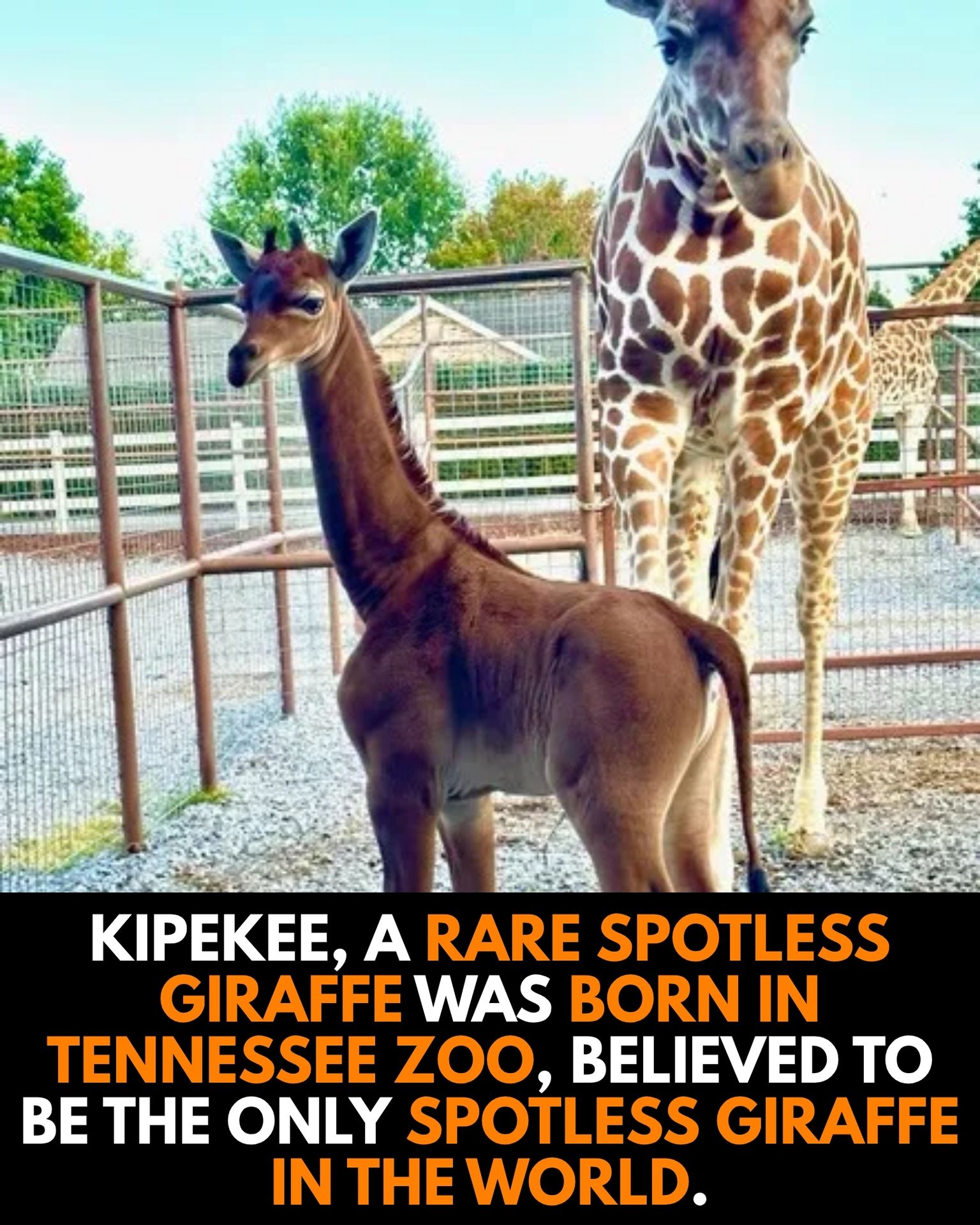
In the sprawling landscapes of the animal kingdom, few sights are as iconic as the geometric patchwork of a giraffe’s coat. However, a rare biological anomaly has recently captured the world’s attention: Kipekee, a giraffe born without a single spot. Her name, which means “unique” in Swahili, perfectly encapsulates a creature that serves as a living testament to nature’s ability to deviate from the script in the most breathtaking ways.
The Science of the “Spotless” Coat
Typically, a giraffe’s spots are as unique as a human fingerprint. These patterns are not merely decorative; they are evolutionary tools honed over millennia. Kipekee’s smooth, solid-colored coat is the result of an incredibly rare genetic variation that bypassed the usual pigmentation process. This “blank canvas” appearance offers researchers a golden opportunity to study the genetic markers responsible for coat patterns and to understand how such a significant mutation occurs within the species.
Form vs. Function
The absence of spots is more than a visual curiosity—it raises fascinating questions about survival and adaptation. In the wild, a giraffe’s spots serve two primary roles:
-
Camouflage: The irregular shapes help break up the animal’s silhouette against the dappled light of the savanna, protecting them from predators.
-
Thermoregulation: Beneath each spot lies a complex network of blood vessels. By radiating heat through these darker patches, giraffes can effectively manage their body temperature in the scorching African heat.
Kipekee’s existence challenges our understanding of these “essential” traits. While she may lack the traditional built-in cooling system and camouflage of her peers, her health and vitality suggest that nature’s resilience is often more flexible than our scientific models predict.
A Catalyst for Conservation
Beyond her aesthetic appeal, Kipekee has become a powerful ambassador for her species. Giraffe populations have faced a “silent extinction” over the last few decades, with numbers dwindling due to habitat loss, poaching, and climate change. Kipekee’s fame has shone a much-needed spotlight on the vulnerability of these gentle giants.
Her story is a poignant reminder that the diversity within a species is a precious resource. When nature delivers an unexpected surprise like Kipekee, it isn’t just a moment for fascination; it is a call to action. Protecting the “unique” ensures that we also protect the “traditional,” preserving the rich, complex tapestry of the natural world for generations to come.