

Now Reading: Deep Roots: Science and Blackfeet Oral Tradition Converge on the Northern Plains
-
01
Deep Roots: Science and Blackfeet Oral Tradition Converge on the Northern Plains

Deep Roots: Science and Blackfeet Oral Tradition Converge on the Northern Plains
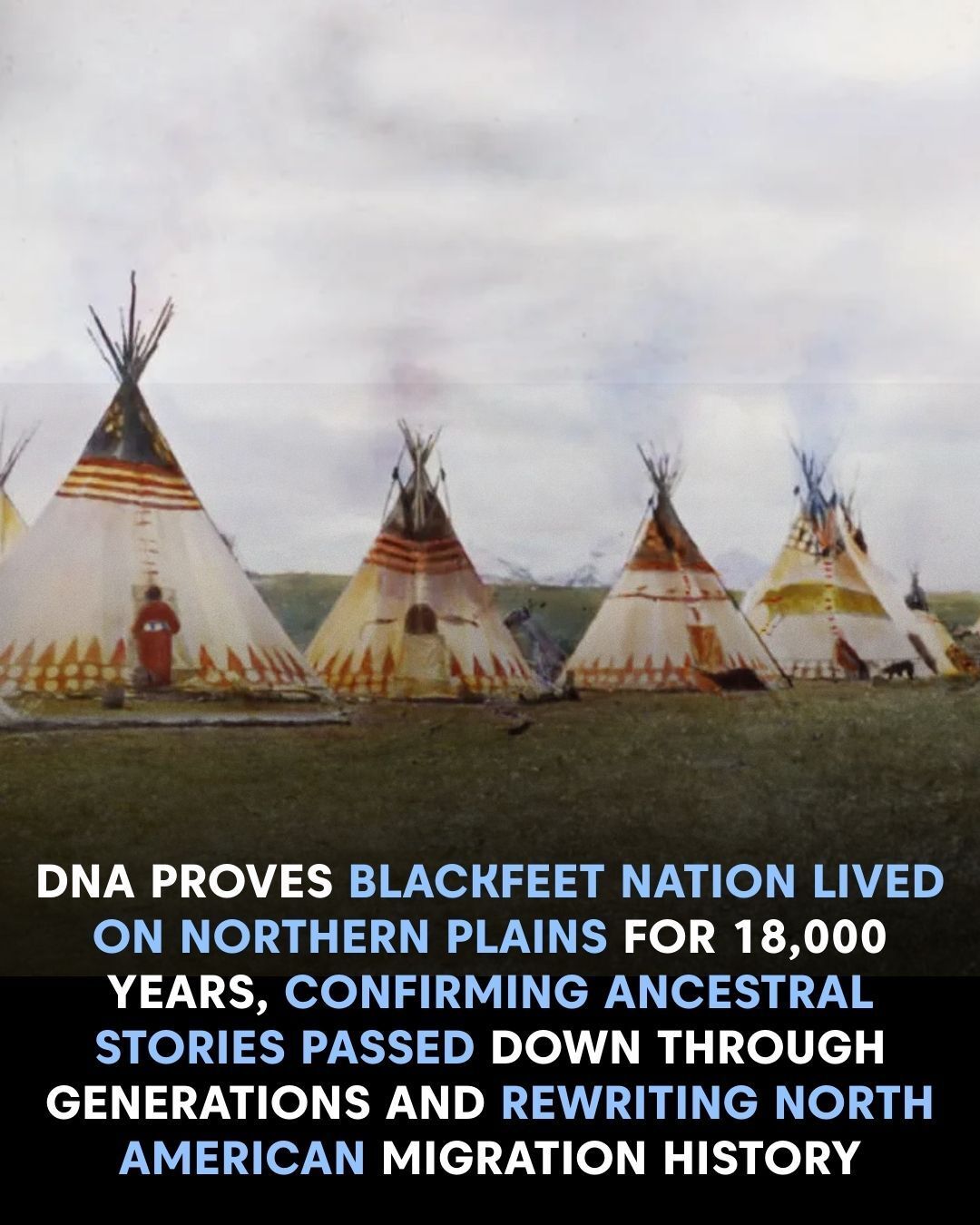
For centuries, the Blackfeet Nation has maintained a profound and unwavering truth: their presence on the Northern Plains is not a matter of migration, but of origin. Through sacred ceremonies, intergenerational teachings, and a rigorous oral tradition, the Blackfeet have described a homeland shaped by ancestral responsibility and spiritual ties that predate any written record. Now, the modern world is finally catching up.
Recent breakthroughs in genetic research and archaeology are increasingly aligning with these long-held Indigenous accounts. New evidence suggests a continuous human presence in the region that stretches back thousands of years further than previously acknowledged by colonial historical timelines. For many Blackfeet citizens, this scientific confirmation is not a surprise, but a formal recognition of what Elders have consistently taught: their roots in this landscape are ancient and absolute.
The significance of this alignment extends far beyond mere dates and data points. It represents a paradigm shift in how history is validated. For a long time, Western institutional history relied almost exclusively on written documents, often dismissing oral histories as “mythology.” However, the convergence of DNA evidence and archaeological finds with Blackfeet narratives proves that cultural knowledge systems are capable of preserving historical truth with remarkable precision across vast spans of time.
This moment highlights the necessity of respectful engagement between the scientific community and Indigenous nations. When researchers treat Indigenous knowledge as a partner rather than a subject of study, the historical record becomes more complete. It bridges the gap between the “what” of archaeological discovery and the “why” of cultural identity.
Moreover, this development serves as a powerful reminder that history is a living entity. It is not confined to dusty archives or museum glass; it is carried in the cadence of a language, the performance of a ritual, and a lived connection to the soil. As scientific inquiry and Indigenous knowledge begin to walk side-by-side, they offer a more holistic understanding of the human story. By giving these long-overlooked traditions the recognition they deserve, we gain a deeper, more accurate picture of the endurance and resilience of the people of the Northern Plains.
Bridging Two Worlds
-
Oral Tradition: Histories maintained through memory and community authority.
-
Scientific Inquiry: Validation through genetic markers and carbon-dated artifacts.
-
The Result: A unified timeline that honors both data and heritage.