









Now Reading: The Golden Mirror: The Surprising Parallels Between the Oscar and the Socar
-
01
The Golden Mirror: The Surprising Parallels Between the Oscar and the Socar

The Golden Mirror: The Surprising Parallels Between the Oscar and the Socar
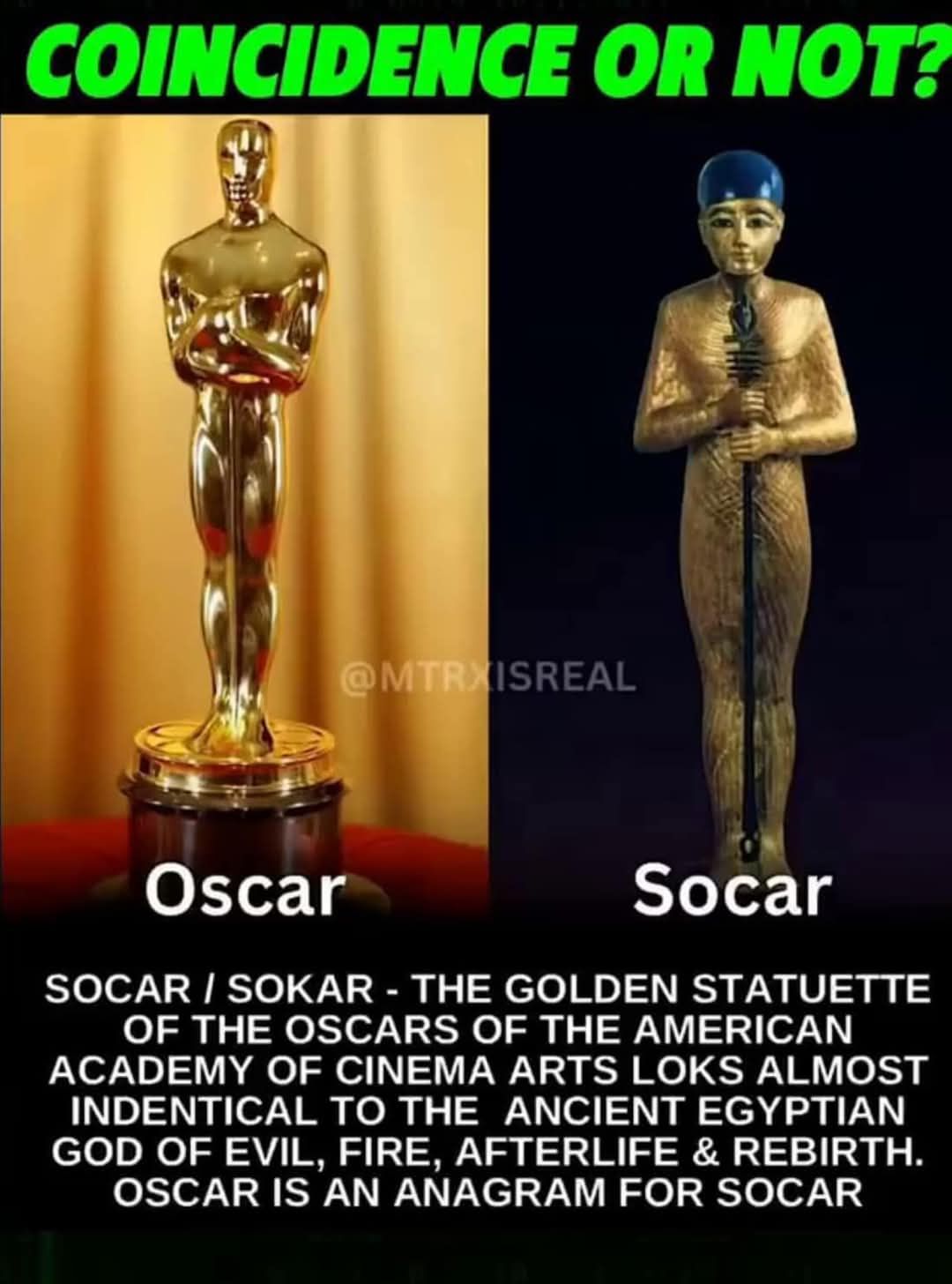
In the world of prestigious accolades, few symbols are as instantly recognizable as the Oscar statuette. Officially named the Academy Award of Merit, the sleek, gold-plated figure has represented the pinnacle of cinematic achievement since 1929. However, within the energy sector, a strikingly similar figure has emerged: the Socar award. While one celebrates the magic of the silver screen and the other honors excellence in the oil and gas industry, their physical and symbolic similarities offer a fascinating study in how we visualize success.
A Shared Aesthetic of Excellence
At first glance, the most striking similarity is their silhouette. The Oscar, designed by MGM art director Cedric Gibbons and sculpted by George Stanley, depicts a stylized knight holding a crusader’s sword, standing on a reel of film. It stands $13.5$ inches tall and weighs a solid $8.5$ pounds.
The Socar statuette, awarded by the State Oil Company of Azerbaijan Republic for various industrial and corporate achievements, mirrors this vertical, streamlined elegance. Both figures utilize a humanoid form rendered in a minimalist, Art Deco-inspired style. They are typically finished in a high-polish gold or bronze plating, designed to catch the light and convey a sense of timeless value.
Symbolic Foundations
Beyond their physical appearance, the two awards share deep-seated symbolic DNA:
-
The Pillar of Achievement: Both statuettes are mounted on heavy, cylindrical bases. For the Oscar, the base represents the five original branches of the Academy (actors, directors, producers, technicians, and writers). For Socar, the base often symbolizes the foundational strength of the energy industry and national infrastructure.
-
The Upward Trajectory: Both figures are depicted in a rigid, “at attention” stance. This posture is a universal visual shorthand for integrity, professional standard, and the “standing tall” required to reach the top of one’s field.
-
The Tool of the Trade: Just as the Oscar knight grips a sword to represent the protection and advancement of the arts, Socar iterations often incorporate subtle nods to industry—whether through the grip of the figure or the motifs engraved on the pedestal.
A Legacy of Prestige
The reason these two awards feel like kin is due to the “Oscar standard.” Since the early 20th century, the Academy’s trophy has defined what an “award” looks like in the public consciousness. By adopting a similar visual language, the Socar award taps into that existing prestige, immediately communicating to the recipient that their hard work is being recognized with the highest possible gravity.
Whether it is a director stepping onto a stage in Hollywood or an engineer being honored in Baku, both figures serve the same ultimate purpose: turning a lifetime of dedication into a tangible, golden weight that can be held in one’s hands.